In the latest episode of ‘Keep Traveling: Your African Story‘, host Rael Zieve sat down with Julia Bishop, Director of Hodi Hodi, to explore what makes a Hodi Hodi Tanzania safari such a personal and unhurried experience.
Close to Ruaha National Park in southern Tanzania, Hodi Hodi gives travellers the chance to slow down, unpack and spend meaningful time in one place. Instead of rushing between camps, guests can settle into the landscape, meet the people who live and work there and allow the rhythm of the bush to take over.
A Hodi Hodi Tanzania safari combines wildlife, local hospitality, fresh food and community-led conservation. It also offers something that many busy safari routes struggle to provide: space.
From the meaning behind the camp’s name to the elephants gathering near the waterhole, Julia shared the story of a camp that feels closely connected to both the land and the people around it.
What Does Hodi Hodi Mean?
The name Hodi Hodi comes from Swahili. In simple terms, it means “knock, knock”. However, the phrase carries more warmth and politeness than a basic knock at the door.
Someone says “Hodi Hodi” to announce that they have arrived and to ask whether they may come in. The person inside usually answers “karibu”, which means welcome. When speaking to several people, the word becomes “karibuni”.
That exchange captures the spirit of the camp. Travellers arrive in a remote part of southern Tanzania, announce themselves and receive a genuine welcome.
Julia explained that the team does not rely on stiff scripts or formal hotel language. Instead, staff treat guests as they would treat visiting family or friends from another village.
That approach creates a relaxed atmosphere from the moment guests arrive. The service still feels professional and thoughtful, but it never feels forced.
A Hodi Hodi Tanzania safari begins with that simple idea of welcome. Guests do not just enter a lodge. They enter a place that wants them to feel at home.
Exploring Southern Tanzania
Many visitors begin their understanding of Tanzania with the northern safari circuit.
The Serengeti, Ngorongoro Crater and Mount Kilimanjaro attract travellers from around the world. These places deserve their reputation, and they remain some of Africa’s most iconic destinations.
However, Tanzania stretches far beyond its famous northern attractions. Hodi Hodi lies in the south, close to Ruaha National Park. This region receives fewer visitors and has far fewer safari camps than some areas in the north.
That difference changes the entire mood of the journey. Guests see fewer vehicles, experience less pressure around wildlife sightings and enjoy more room to pause.
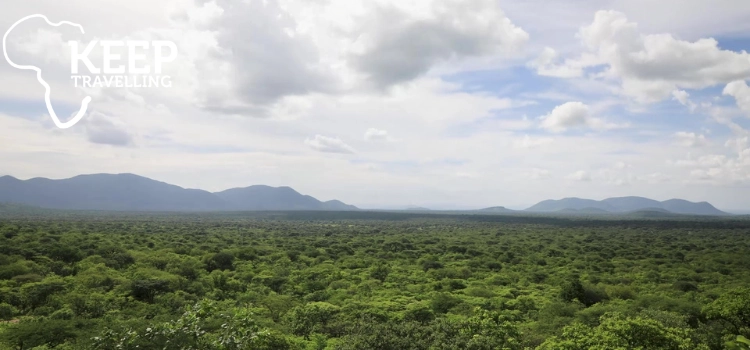
Ruaha covers a huge area, yet it remains quieter than many better-known safari parks. For travellers who want wildlife without constant movement and busy sightings, a southern Tanzania safari can feel refreshing.
The region also sits where different ecosystems meet. Ruaha contains elements of both eastern and southern Africa. This overlap allows travellers to see a wider variety of plants and animals.
Some species that visitors often associate with southern Africa also appear here. That mix gives Ruaha its own distinct character.

Why Choose a Hodi Hodi Tanzania Safari?
A Hodi Hodi Tanzania safari will suit travellers who want more than a quick stop beside a national park. The camp encourages guests to stay longer and to connect with the area slowly.
Many safari itineraries move at speed. Guests arrive, complete one game drive, sleep, wake early and leave again. That style works for travellers who want to cover several destinations in a short time.
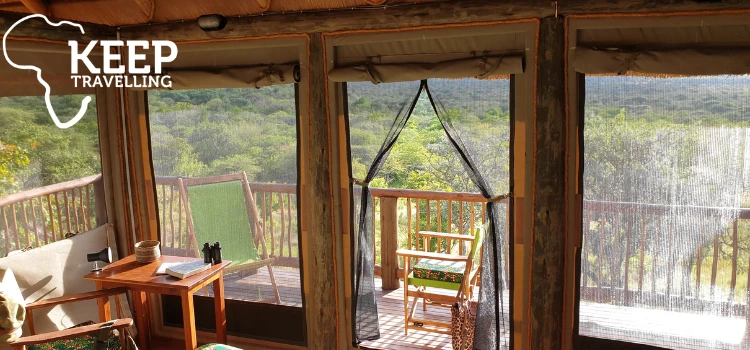
However, it can also make a holiday feel like a checklist. Hodi Hodi takes a different approach. The team wants guests to unpack properly, sit on their balconies and notice the smaller details.
One day may focus on a game drive. Another may include a walking safari, a picnic beside a river or a quiet afternoon near the pool. As the days pass, guests begin to recognise the landscape and understand its patterns.
They also get to know the people who make the camp work. That slower connection often creates the strongest memories.
How to Reach Hodi Hodi
International travellers normally begin their journey through Dar es Salaam or Zanzibar.
Both destinations connect with major international hubs. Travellers may route through Doha, Nairobi, Addis Ababa, Cairo or several European cities.
From Dar es Salaam, guests have two main options. The first involves a flight to Iringa.
Iringa is the nearest larger town and acts as an important gateway to southern Tanzania. The flight usually takes around an hour, depending on the service.
The Hodi Hodi team can collect guests at Iringa Airport and drive them directly to camp. The road journey takes approximately two hours.
Along the way, travellers pass through villages, forests, plains and sections of the southern highlands. Julia described the drive as part of the experience rather than a simple transfer.
The second option takes guests directly into Ruaha National Park by light aircraft.
These small planes often stop at several airstrips along the way. They work much like small bush buses, collecting and dropping off passengers at different points.
The flight may take around two hours, depending on the route and the number of stops. Once guests land in Ruaha, a guide collects them for the journey to Hodi Hodi.
The transfer does not rush directly to camp. Instead, the guide may stop for wildlife, follow a herd of zebra or organise a picnic beside the river.
Guests may see giraffes, elephants, birds and wide open landscapes before they even reach their room. This arrival gives the safari a gentle beginning.
After leaving the national park through the gate, guests travel for around 20 minutes before reaching Hodi Hodi. The absence of fences allows wildlife to move freely between the camp and the park.
Resting Before Your Safari
Julia also advised international travellers to consider spending one or two nights in Dar es Salaam or Zanzibar before continuing to Ruaha. Long-haul travel can leave people tired and disorientated.
A safari then introduces early starts, new sounds, long game drives and constant excitement. Travellers who arrive exhausted may struggle to enjoy the first few days fully.
A short stop allows guests to adjust to the time zone and recover from the flight. They can relax at a hotel, spend time beside the coast or explore part of the city.
Once they feel refreshed, they can begin the safari with more energy. This pause can make a Hodi Hodi Tanzania safari feel even more enjoyable.
The Final Approach to Hodi Hodi
The arrival at Hodi Hodi unfolds gradually. Guests travel through open country before the road starts climbing towards a mountain ridge.
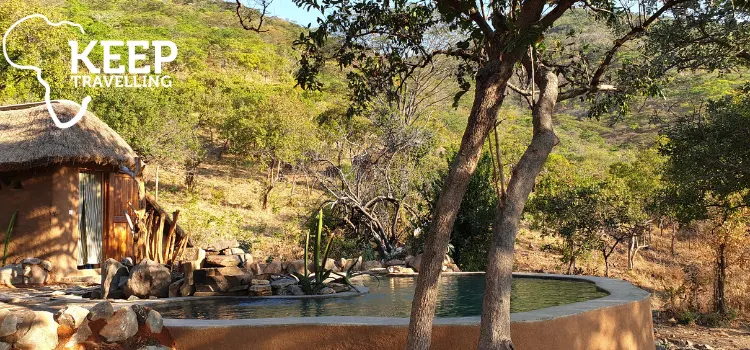
The camp sits within a horseshoe-shaped valley and blends into the landscape. Visitors cannot easily see it from a distance.
The team also keeps the lighting low at night, which helps protect the natural darkness of the area. The final stretch follows a simple dirt track.
Hodi Hodi still uses several classic Land Rovers, some of which have served the region for decades. These vehicles add character to the journey.
Guests usually arrive while there is still daylight. This gives them time to understand the camp’s layout, settle into their room and enjoy the view before evening.
The team does not push guests straight into another activity. Instead, they can unpack, pour a drink and sit quietly on the balcony.
They may watch butterflies, birds or animals moving across the valley. Later, everyone gathers for sundowners and conversation around the fire.
Rooms With a Sense of Place
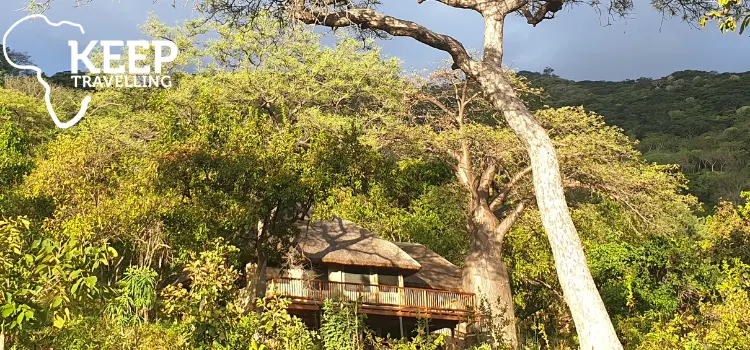
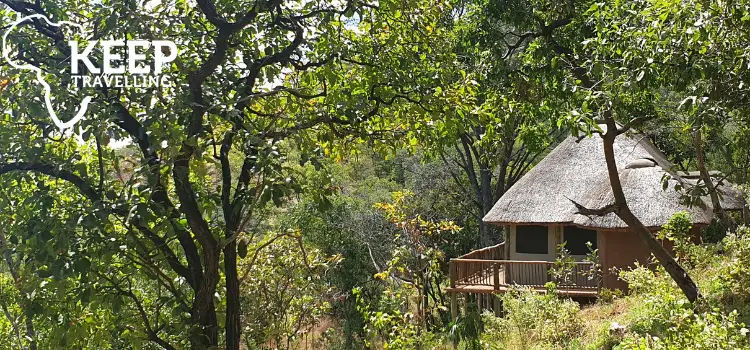
The rooms at Hodi Hodi offer comfort while keeping guests connected to the surrounding bush. Each room stands on a raised platform.
The elevated position gives guests a wide view and keeps the sleeping area safely above ground level. The rooms feature teak floors, canvas fronts and private decks.
At the back, a solid section contains the bathroom and shower. A grass-thatched roof provides shade and helps the buildings blend into the environment.
Local materials played an important role in the camp’s construction. The team made bricks from local mud and cut grass from the nearby plains.
Local craftspeople helped build the rooms and create the canvas sections. This process gives each space a natural sense of belonging.
The rooms do not feel like standard hotel units placed in the bush. They feel connected to the land around them.
Solar systems provide hot water, while the spacing between rooms creates privacy. Some rooms sit several hundred metres from the central area.
At night, Maasai team members escort guests back to their rooms with torches. Wild animals move through the camp, so guests must always respect the environment.
How Many Guests Can Stay at Hodi Hodi?
Hodi Hodi keeps the number of guests relatively low. On one side of the camp, five double rooms accommodate up to five couples.
Each room sits around 20 metres from the next, giving guests privacy and uninterrupted views. On the other side, three family suites provide more space.
Each suite contains two double sleeping areas, a shared lounge and a larger balcony. Daybeds can accommodate younger children when required.
In total, the camp can host roughly two dozen people, depending on the group and the room arrangements. That number allows Hodi Hodi to welcome families and groups without losing its intimate atmosphere.
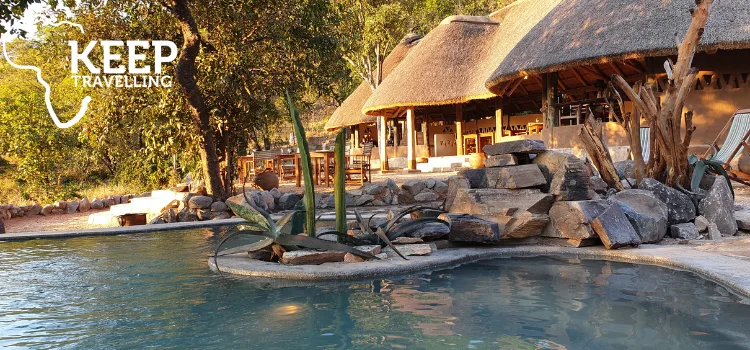
The central area includes a lounge, a bar, indoor and outdoor dining spaces and a swimming pool. A nearby waterhole often attracts elephants.
Guests may return from a hot game drive, cool off in the pool and watch wildlife approach the water. For many travellers, that moment becomes a highlight of their Hodi Hodi Tanzania safari.
A Relaxed and Personal Camp
Hodi Hodi does not try to copy the formal style of a large luxury hotel. The camp offers comfort, attention and good service, but it keeps the atmosphere natural.
Julia, her family and her fellow director have all played a hands-on role in developing the camp. Many staff members come from nearby villages or from the Iringa region.
This local involvement gives Hodi Hodi a strong personality. Guests can speak with people who understand the landscape, the wildlife and the communities that surround it.
Conversations around the fire often become part of the experience. Someone may share a story from the past, explain an animal’s behaviour or describe how life in the region has changed.
That connection adds depth to the stay. A Hodi Hodi Tanzania safari feels personal because the people behind the camp remain closely involved in every part of it.
Farm-to-Table Food
Southern Tanzania produces a wide range of fresh food. The region benefits from fertile soil, good rainfall and productive highland farms.
Hodi Hodi uses that advantage to create a farm-to-table dining experience. The kitchen begins many dishes with seasonal vegetables.
Guests may enjoy broccoli, snap peas, pumpkins and other fresh produce from nearby growers. The chef then adds meat, fish or cheese depending on what is available.
When the team can source local tilapia responsibly, it may appear on the menu. The camp also serves beef, lamb and pork from regional producers.
Julia spoke about pork raised on mangoes, which gives the meat a distinctive flavour. Local farms also supply several cheeses. Families with Greek, Zimbabwean and other farming backgrounds have helped develop the food culture of the area.
The chef builds meals around fresh ingredients instead of relying heavily on imported produce. This gives the food a direct connection to southern Tanzania.
Julia described the chef as one of the most talented people she has encountered in the industry. Guests can expect generous meals, creative dishes and plenty of variety. No one leaves Hodi Hodi hungry.
Safari Picnics With More Variety
Hodi Hodi also puts thought into its picnic lunches. Many safari travellers know the standard packed lunch. A container may hold a sandwich, fruit, a boiled egg and a small dessert.
Although practical, these meals can become repetitive. Hodi Hodi tries to offer something more interesting.
The team packs food in layered containers with different sections. Guests may receive warm dishes, salads, meats, sandwiches and desserts.
The chef changes the selection regularly, so each picnic feels different. Guides may serve lunch beside a river or at another scenic place during the day.
The team gives guests time to eat, relax and appreciate the setting. The picnic becomes part of the safari rather than a quick break between game drives.
Elephants at Hodi Hodi
Wildlife moves freely through the land around camp. Although Hodi Hodi sits outside the official boundary of Ruaha National Park, animals do not recognise the gate.
Elephants play a particularly important role in the camp’s story. During the dry season, rivers inside the park can lose much of their water.
Hodi Hodi pumps water into its waterhole, giving animals a reliable place to drink. Dozens of elephants may gather close to the main camp area.
Guests can sometimes watch them from the pool, the dining area or their own balconies. Several elephant calves have even entered the world close to the rooms.
Julia explained that the first elephants the team encountered in 2017 ran away quickly. Over time, the herds became more comfortable.
Some females now appear relaxed enough to bring their calves close to camp. This change reflects the trust that has developed in the area.
Watching an elephant family gather at the waterhole can become one of the most powerful moments of a Hodi Hodi Tanzania safari.
Leopards, Wild Dogs and Lions
Hodi Hodi also welcomes several predators. Resident leopards move through the area, although no camp can guarantee a sighting.
African wild dogs visit the land as well. These animals cover large distances, so the team cannot predict exactly when they will arrive.
However, experienced scouts look for tracks, droppings and other signs. A pack of around 25 wild dogs has passed through the property on several occasions.
Guests have even watched hunts from their balconies. Wild dogs may look playful and energetic, but they hunt with great skill and cooperation.
Lions also cross the land. The camp does not host a permanent pride, but nomadic males sometimes travel through in pairs or small groups.
Guests may hear their calls at night or see their tracks in the morning. These encounters remind travellers that Hodi Hodi sits within a real and active wilderness.
Rare Antelope and Ecological Variety
The antelope around Ruaha also make the area special. Sable and roan antelope occur in the region. Visitors do not commonly see these species in every part of Tanzania.
Both greater kudu and lesser kudu also live in the area. Their ranges overlap around Ruaha, creating unusual wildlife opportunities.
This variety comes from the region’s position between eastern and southern African ecosystems. Birdlife also adds colour to the experience.
Guests may see birds around camp, beside rivers or during guided walks. The mix of large mammals, predators, antelope and birds gives every day a different focus.
Protecting 17,000 Acres of Community Land
Hodi Hodi works closely with a neighbouring village. The community has provided access to approximately 17,000 acres through a long-term land agreement.
Hodi Hodi pays rent for the land. The village then uses the income to support schools, clinics and agricultural projects.
The partnership also protects the natural environment. Community members and Hodi Hodi staff carry out foot patrols during the day and at night.
These teams watch for poaching, illegal grazing, timber cutting and mineral extraction. The land contains hardwood trees and areas where people could search for gold.
Without protection, those resources could place the landscape under pressure. Tourism gives the land another form of value.
The community earns income while wildlife retains an important corridor beside Ruaha National Park.
This partnership strengthens the Hodi Hodi Tanzania safari because guests know their stay supports both conservation and local development.
Reducing Conflict Between People and Elephants
The waterhole created another benefit that the Hodi Hodi team did not originally expect. Before the camp provided water, elephants sometimes travelled towards the village to reach a permanent river.
Along the way, they passed farms and found crops such as mangoes and watermelons. The elephants ate the crops and created conflict with local farmers.
Since Hodi Hodi began pumping water closer to camp, more elephants have stopped there instead. The village later reported fewer crop-raiding incidents.
This simple action helped both the elephants and the farmers. The animals gained a safer place to drink, while the community suffered less damage.
The project shows how practical conservation can solve several problems at once.
Walking Safaris
Hodi Hodi places great importance on walking safaris. Walking allows guests to experience the bush at a slower pace.
Instead of watching everything from a vehicle, travellers can notice tracks, insects, plants, birds and small signs of animal activity. Local guides explain how people have used certain plants for medicine and survival.
They also share knowledge passed down through generations. Guests may walk beside ancient elephant pathways or stand beneath enormous baobab trees.
Some of these baobabs may have grown for hundreds or even thousands of years. The trees contain hollows and natural hiding places, while their size gives them an almost timeless presence.
Walking helps visitors understand the landscape rather than simply looking at it.
Night Safaris
Because Hodi Hodi lies outside the national park, the camp can also offer night drives. Darkness changes the bush completely.
Some animals become more active, while others begin hunting. Guides use spotlights carefully to search for eyes in the darkness.
Guests may see smaller nocturnal species that rarely appear during the day. They may also hear lions, hyenas or elephants moving nearby.
Night drives bring excitement, but they also reveal how much wildlife activity continues after sunset. For many travellers, this adds another layer to the safari.
Why Four Nights Can Make a Difference
Julia believes guests need enough time to experience Hodi Hodi properly. Three nights give travellers a good introduction.
However, a fourth night can transform the stay. It allows space for another walking safari, another game drive or a quiet day at camp.
Guests do not need to choose between activities or feel pressure to fit everything into a short schedule. They can also spend more time with the guides and staff.
By the fourth day, the camp begins to feel familiar. Guests know the path to their room, recognise the sounds around them and understand where elephants may appear.
That sense of belonging forms an important part of a Hodi Hodi Tanzania safari.
A Special Extra-Night Offer
During the podcast, Julia announced a special offer for Keep Travelling listeners. Guests who book three nights at Hodi Hodi can receive a fourth night free.
The offer includes full board and the activities attached to the additional day. Julia designed the offer to encourage travellers to stay longer rather than rush away.
The extra night gives guests more time to walk, listen, explore and absorb the landscape. They can follow ancient elephant trails, learn about medicinal plants or simply sit quietly on their balcony.
The offer captures the camp’s central message. Arrive, unpack and give the place enough time to reveal itself.
Who Will Enjoy Hodi Hodi?
Hodi Hodi will appeal to travellers who prefer smaller camps and quieter safari destinations. Couples can enjoy the privacy of the double rooms.
Families can use the larger suites and spend time together without feeling crowded. Wildlife enthusiasts may appreciate the elephants, wild dogs, leopards, lions and unusual antelope.
Active travellers can join walking safaris and night drives. Food lovers can enjoy fresh produce and locally inspired meals.
The camp will also suit guests who care about community tourism and conservation. However, the most important quality may be patience.
Hodi Hodi rewards people who want to stop, look and listen. It does not focus on rushing from one famous sighting to the next. It focuses on connection.
A Quieter Side of Tanzania
Northern Tanzania will always attract visitors with its famous landscapes and wildlife events. However, the south offers another kind of journey.
Ruaha gives travellers space, variety and a strong feeling of wilderness. Hodi Hodi adds warmth, local character and a meaningful relationship with the community.
The camp uses local materials, employs people from the area and sources much of its food from southern Tanzania. It also protects an important piece of land beside the national park.
A Hodi Hodi Tanzania safari therefore offers more than wildlife viewing. It gives travellers a chance to understand the people, food, landscape and conservation work that shape the region.
Most importantly, it gives them time. A few years from now, you will not remember how much it cost you, but you will always remember the memories you made. Keep Travelling.