A Tanzania luxury safari can easily become a list of famous names. Serengeti. Tarangire. The Great Migration. Lions, elephants, sundowners and beautiful camps. Yet the safari itself is often remembered very differently. It is the coffee arriving at your tent before an early morning game drive. The sound of wildlife outside during the night. An unexpected elephant appearing while you are sitting quietly beside the pool. A guide noticing something in the grass that everyone else would have driven straight past. And sometimes, it is simply having enough time to stop.
In the latest episode of ‘Keep Traveling: Your African Story‘, host Rael Zieve sat down with Harjot “Jo” Mann, director and co-founder of Nimali Africa, to talk about her family’s connection with Tanzania, the four Nimali properties and what she believes makes a genuinely memorable safari.
Nimali Africa now includes Nimali Tarangire, Nimali Serengeti, Nimali Mara and the exclusive-use Nimali Ilaroi House. However, the story did not begin with a plan to build a collection of Tanzania safari lodges. It began with a piece of land, a family who loved the bush, and wildlife beginning to return.
A Tanzania Safari Story That Started With Family
Jo was born and raised in Tanzania. Safari was not something reserved for a once-in-a-lifetime holiday. It was part of her life. Weekends could mean heading into the bush, spending time around wildlife and developing the sort of connection with the landscape that is difficult to recreate later.
When she married, she found that her husband shared the same passion. He had bought a piece of land adjoining Tarangire National Park, originally with wildlife restoration in mind. He had fallen in love with the area after camping in one of its riverbeds.
Soon, the family started camping there together. They watched elephants moving through the land. They experienced the silence, space and freedom of the area. Eventually, an idea began to form. Perhaps other people could experience it too.
Nimali Tarangire began with only four tents. From those modest beginnings, Nimali grew into four very different safari experiences across northern Tanzania. That history still matters because it helps explain why the properties have remained intimate and why Jo repeatedly returns to ideas such as family, nature, conservation and personal hospitality when describing the business.

Four Different Ways to Experience a Tanzania Luxury Safari
Although all four properties belong to Nimali Africa, Jo does not describe them as copies of one another. Each location has its own personality.
Nimali Tarangire sits in a private concession adjoining Tarangire National Park. Guests can reach it by road from Arusha, with the journey taking roughly two and a half hours, or arrive by air. It was the first Nimali property and remains closely connected with the original family story. The setting overlooks a dry riverbed, while elephants and other wildlife move through the surrounding landscape. There is also a waterhole beside the camp, something Jo jokingly refers to as their “bush Netflix”.
Nimali Serengeti offers something very different. Here, the landscape opens into the enormous plains for which the Serengeti is famous. Jo describes arriving at the main area and looking across that classic endless landscape.
Further north sits Nimali Mara. Built around the area’s rocky kopjes, it has what Jo describes as a slightly more adventurous feeling. Rather than trying to dominate the rock formations, the camp has been designed to work with them.
Then there is the newest addition, Nimali Ilaroi House. This is not a conventional safari lodge. Instead, one group takes the entire property and has its own team, guide and safari experience within a private conservancy. For families or groups of friends wanting complete privacy, this changes the feeling of safari considerably. There is no timetable shaped around other guests. The experience belongs to you.
A Safari for the Senses
Nimali uses the phrase “safaris for the senses”. It could easily sound like another tourism slogan. However, listening to Jo explain where it came from gives it much more meaning. During a family discussion about the brand, they began talking about what they personally loved about safari. Interestingly, the answers were not simply lions, elephants or spectacular rooms. They spoke about smells, especially the scent of dry earth before rain. They talked about sounds, including wildlife outside a tent and the bush waking up.
They also talked about taste. Food, fresh ingredients and Nimali’s own coffee blend all became part of that thinking. Then there was sight, with large openings and tented walls allowing guests to remain connected with what is happening outside. That became the foundation of the idea. A safari should not only be about looking at animals through a camera lens. You should hear it. Smell it. Taste it. Feel it.
That is also why the rooms retain tented elements despite offering the comforts expected from a luxury safari in Tanzania. There is an interesting balance here. Comfort matters. But if too many walls, gadgets and hotel-style additions separate someone from the wilderness they travelled across the world to experience, something important can disappear.

What Does a Perfect Safari Day Look Like?
Ask ten people to describe their perfect safari day and you may receive ten different answers. Jo believes that is exactly how it should be. Rather than forcing everyone into the same programme, she prefers to understand what a particular guest actually enjoys. Some people could spend hours in a safari vehicle. Others want to get out and walk. Some want wildlife photography. Others might prefer several hours beside the pool.
For Jo personally, two moments stand above almost everything else: sunrise and sundown. Morning and late afternoon game drives also offer practical advantages. Temperatures are cooler and wildlife often becomes more active. Then, if possible, she would include a walking safari. Walking changes your relationship with the bush. On foot, tracks, plants and sounds become part of the experience in a way they often cannot from a moving vehicle.
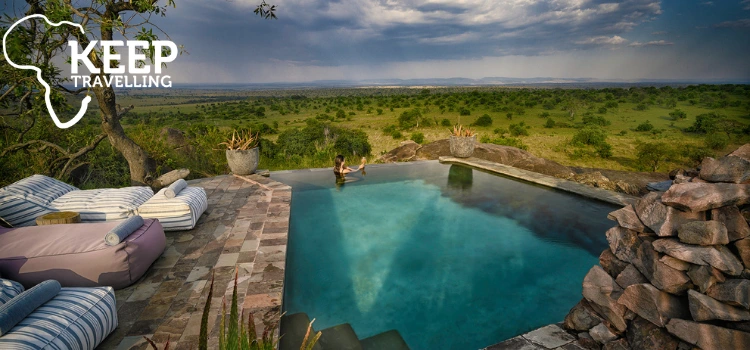
Back at Nimali Tarangire, however, spending an afternoon beside the pool can produce its own wildlife experience. Animals come towards the nearby waterhole and, sometimes, there is no reason to go anywhere at all. Safari does not always require chasing a sighting. Sometimes the sighting comes to you.
Food Is Part of the Safari Experience
The food served at safari properties has changed enormously over the years. So have travellers’ dietary requirements. Jo admits that catering for the growing number of different dietary needs has become more challenging. Yet she believes her chefs have responded extremely well. The philosophy itself remains fairly uncomplicated. Food should be simple, fresh, tasty and full of flavour.
Guests regularly leave asking for recipes, including dishes adapted specifically around their dietary needs. Fresh Tanzanian produce plays an important part. Again, there is a connection with the idea of safari appealing to more than one sense.
Bush dining, private dining and even learning how to prepare a local dish can all become part of the holiday.

Why Sundowners Still Feel Special
There are certain safari traditions that survive because they work. The African sundowner is one of them. As Rael pointed out during the conversation, you could technically have a sundowner almost anywhere in the world. But somehow it is not quite the same.
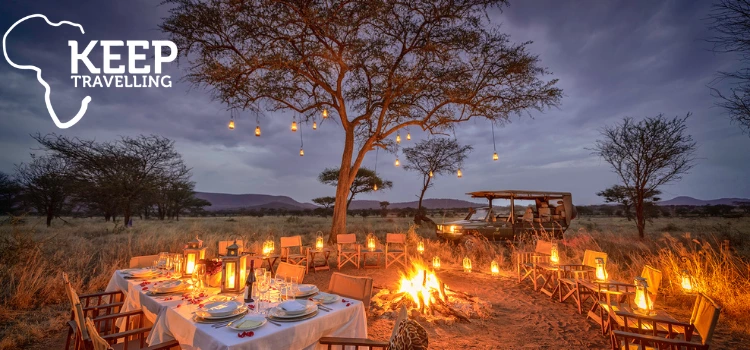
There is something about stopping in the bush as the heat begins to disappear, watching the landscape change colour and having nowhere else you need to be. Jo says sundowners remain one of Nimali’s most popular experiences, with almost every booking incorporating one. Their appeal is simple: a drink, a landscape and the end of another day in Africa.
The Great Migration Is Not the Only Time to Visit Tanzania
For many international travellers, planning a Tanzania safari begins with one question: when is the Great Migration? Jo believes the migration is something people should experience. However, she also feels that the focus on peak migration periods can make travellers overlook some of Tanzania’s loveliest months.
Her personal preference often leans towards shoulder and green seasons. After the migration has moved away from northern Serengeti, for example, the resident wildlife remains. The difference is that there may be fewer vehicles. Landscapes turn green. Birdlife changes. The atmosphere becomes different.
Tarangire changes too. Animals may alter their movements according to water and seasonal conditions, yet the wildlife does not simply disappear. For travellers who are not completely focused on witnessing one particular migration event, considering different times of year can open a very different side of Tanzania. Sometimes quieter months create the moments people remember most.
Stop Trying to Tick Every Safari Box
One of the simplest pieces of advice from the conversation may also be one of the most useful: stay longer. Jo regularly sees itineraries built around one night here, one night there and another night somewhere else. On paper, they look impressive. The traveller has visited more places.
In reality, much of the trip can become packing, checking out, transferring, flying, unpacking and preparing to leave again. Jo recommends spending at least two to three nights in one place. Rael takes it slightly further and considers around three nights a particularly good balance where schedules allow.
It gives people enough time to settle. If the first game drive is quiet, it does not matter, and there is space to slow down. The property begins to feel like somewhere you are staying rather than somewhere you briefly passed through.
What Does Luxury on Safari Actually Mean?
This became one of the most interesting parts of Rael and Jo’s conversation. Modern safari lodges can provide almost everything found in a luxury hotel. Yet Jo questions whether they always should.
She gives the simple example of a kettle. Of course, putting a kettle in a room is convenient. But there is something about waking in the African bush and hearing someone arrive outside with your morning coffee. That small interaction is part of safari life.
For Jo, genuine safari luxury includes space, personal service and intimacy. That is one reason Nimali has deliberately kept its camps small. Bigger is not automatically better in the bush, especially when travellers have flown thousands of miles to experience wilderness.
Jo also believes spending extra money on good guiding can make a genuine difference. Local knowledge, animal behaviour and knowing when to stop can transform a safari. Luxury, therefore, is not always inside your room. Sometimes it is sitting in the driver’s seat.
The Problem With Chasing Wildlife
Social media has made spectacular wildlife encounters visible to millions of people. Unfortunately, it can also create unrealistic expectations. Videos of Great Migration river crossings sometimes show huge concentrations of safari vehicles around the animals. Jo believes responsibility for overcrowding does not belong to one group alone.
Guests can put pressure on guides. Guides can make poor decisions. Tour operators and lodges can create expectations that every drive must produce something extraordinary. Everyone plays a part. Yet wildlife does not work according to an itinerary. You can spend a full day searching without seeing the animal you hoped to find. Then return to camp and find a leopard outside your room.
That unpredictability is not a failure of safari. It is safari. Once travellers understand that, the pressure to tick animals off a list begins to disappear.
How Nimali Ilaroi House Grew Out of an Extraordinary Time
Interestingly, the idea for Nimali Ilaroi House came during COVID. With international tourism almost completely stopped, Jo and her family spent time at their own lodges. There were no other guests around. They could sit in their pyjamas, choose their own timetable, play music, cook and simply live in the space.
Their game drives also became incredibly private. Jo remembers sitting on the bonnet of a vehicle watching the migration with nobody else in sight. Of course, nobody would want the circumstances of that period repeated. However, the experience revealed something. There was a different kind of luxury in having complete freedom.
That idea eventually became Ilaroi House. One family, couple or group takes the whole house. They have their own team and guide. The days can unfold entirely around them. Instead of adapting yourself to a lodge, the safari adapts itself to you.

Conservation Has to Include Local Communities
Conservation is another word frequently used in safari marketing. Jo’s view is practical. Protecting wildlife cannot be separated from supporting the people who live alongside it. She speaks about a young Maasai man who joined Nimali and was able to progress into a senior position after being given access to education and opportunity.
She also highlights human-wildlife conflict as one of the major conservation challenges. As human populations grow and land use changes, people and animals increasingly compete for space. Simply telling communities to protect wildlife is unlikely to work if those communities receive little benefit from its presence. Education, employment and involvement therefore matter.
Around the land connected with Ilaroi House, Nimali has employed more than 50 Maasai people to help care for the area. The project also includes beekeeping and work to protect bees. Most encouragingly, Jo says they have watched wildlife return. Land that had been affected by surrounding farmland has begun changing again. Nature, she says, can be surprisingly resilient when given the opportunity.
Travellers Are Looking for Something More Authentic
Luxury travel continues to change. Guests still ask about Wi-Fi. That is unlikely to disappear. Yet Jo has noticed another request becoming increasingly common. People want something authentic.
For Jo, what people are really asking for is escape from the noise of everyday life and a chance to reconnect with nature and wildlife. Perhaps this is where the future of luxury African travel is heading. Not necessarily towards more. Towards less. Fewer interruptions. Smaller properties. More privacy. Longer stays. Good guides. Real human relationships. And enough time to notice where you actually are.
Why Tanzania Keeps Calling People Back
Towards the end of the conversation, Rael asked Jo what she would say to someone who has dreamed about a Tanzania safari for years but keeps telling themselves: “I’ll do it one day.” Her answer was simple. They are missing out.
She also doubts it will become the once-in-a-lifetime trip they imagine, because many people return. That may be the best way to understand Tanzania. You can arrive with a list containing the Serengeti, Great Migration, elephants, lions and perhaps a particular luxury lodge. Yet those things are only the framework. The memories often appear somewhere between them: a sunrise nobody photographed, a conversation with a guide, the smell of rain, morning coffee outside a tent, or an elephant wandering past while you were doing absolutely nothing.
If Tanzania has been sitting on your “one day” list for too long, perhaps the next step is simply turning one day into an actual date. To start planning your own Tanzania luxury safari, contact Rael at rael@keeptravelling.africa.
A few years from now, you will not remember how much it cost you, but you will always remember the memories you made. Keep Travelling.