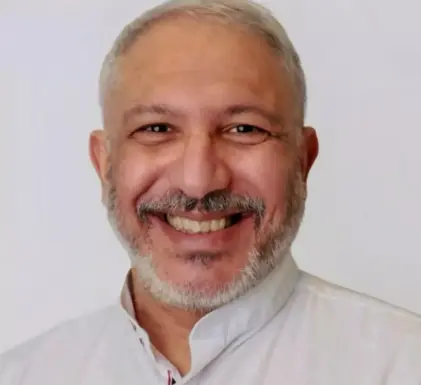
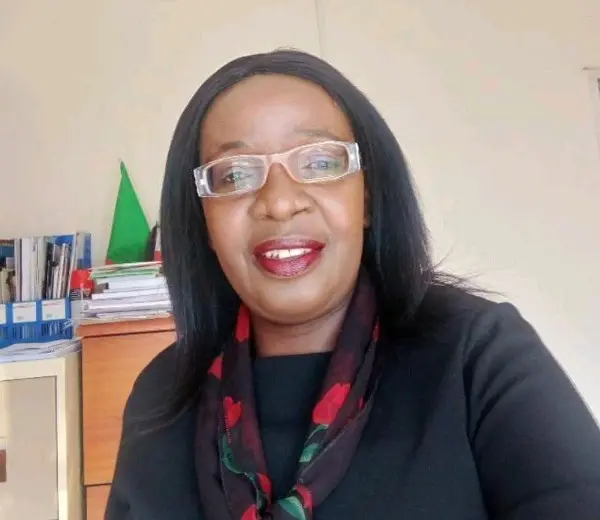
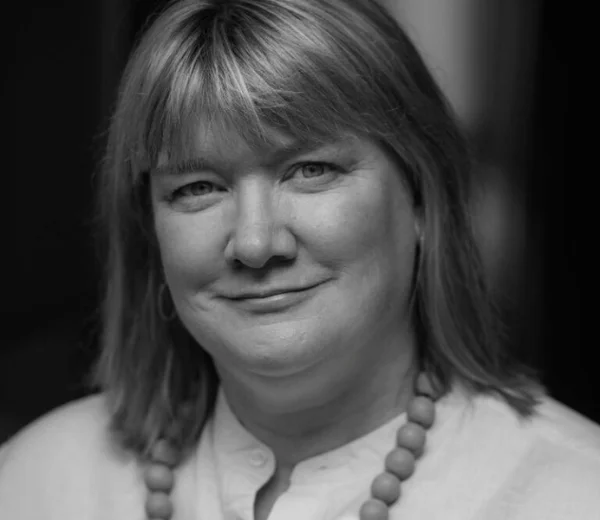
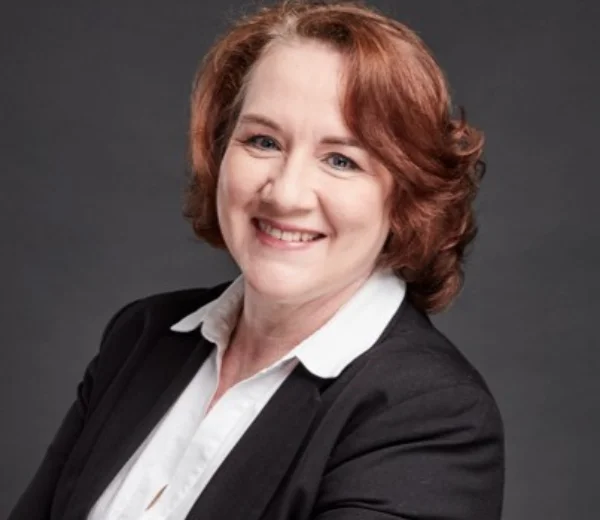
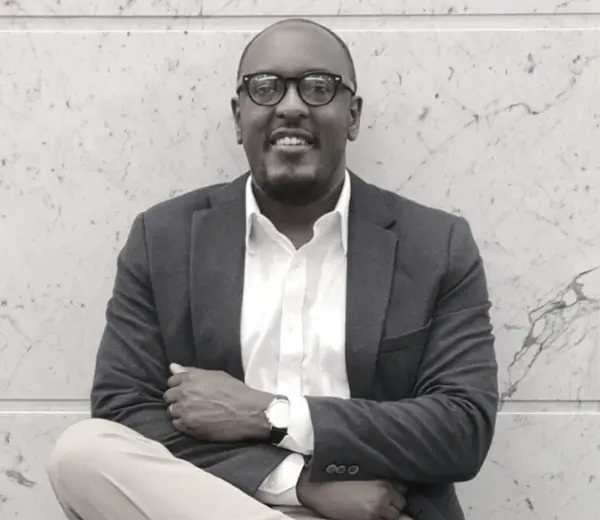
In the latest episode of ‘Keep Travelling: Your African Story’, host Rael Zieve sat down with Siham Lahmin, owner and curator of Morocco Travel Organizer, to explore what makes a luxury Morocco tour so rich, layered and sometimes misunderstood. Morocco sits on the African continent, yet it often feels like a world of its own. It has ancient medinas, golden desert dunes, high mountain villages, Atlantic beaches, powerful food traditions and a culture shaped by many voices.
Seeing Morocco Through Local Eyes
A good journey through Morocco does not begin with a list of hotels or a pretty route on a map. It begins with understanding how the country works. Siham made that clear from the start. Travellers often look at Morocco online and think the distances seem easy. Then they arrive and realise that a drive can take six hours or more, with winding roads, mountain passes, remote villages and changing conditions.
That is why Morocco Travel Organizer puts so much value on proper planning. A luxury Morocco tour should not feel like a race across the country. Instead, it should feel like a story opening chapter by chapter. Each region has its own colour, food, landscape, people and rhythm.
For travellers who want a deeper private Morocco itinerary, that local insight matters. It helps you avoid wasted time, rushed days and missed moments.

Main Entry Points Into Morocco
For international travellers, Morocco has several useful entry points. Siham explained that Casablanca remains one of the main gateways, with many flight options and strong international access. Marrakech is also growing quickly as a direct entry point, especially for travellers who want to begin with the famous Red City.
Tangier is another option, either by plane or by ferry from Spain. For travellers based in Europe or the UK, Fez and Rabat can also work well, depending on the route and airline connections.
This flexibility gives a luxury Morocco tour a strong advantage. The journey can begin in one city and end in another, which helps reduce backtracking. However, the best starting point depends on the traveller, the season and the final route.
Why You Should Not Try to See Everything
One of the strongest messages in the episode was simple. You cannot see all of Morocco properly in one short visit.
That sounds obvious, but it is a mistake many travellers make. Morocco is not a country to tick off quickly. The map can be misleading, and the roads are part of the journey. When the itinerary is too tight, guests spend too much time moving and not enough time feeling where they are.
Siham’s ideal length for a strong trip is around fifteen days. That gives travellers time to connect with Morocco through its main chapters: land, mountains, desert and beach. It also allows enough space for culture, food, history and rest.
A private Morocco itinerary of this length gives the country room to breathe. More importantly, it gives guests time to understand why each region matters.
The Sahara Desert: A Once-in-a-Lifetime Experience
When Rael asked Siham to choose three places visitors should consider, she began with the Sahara Desert. For her, the Sahara is a once-in-a-lifetime experience for a reason.
The drive to the desert is part of the magic. As travellers move south, the scenery changes. Villages shift. Clothing changes. Faces, colours, food and landscapes all begin to feel different. Siham described it as moving from one country to another, not simply from one city to another.
Then, almost suddenly, the dunes appear. One traveller told Siham that the moment felt like magic. There are villages and riads near the edge of the dunes, and then behind them comes the golden sweep of the Sahara.
For many guests on a luxury Morocco tour, this is one of the emotional high points. The desert offers silence, space and a sky that feels larger than normal life.
What the Desert Experience Feels Like
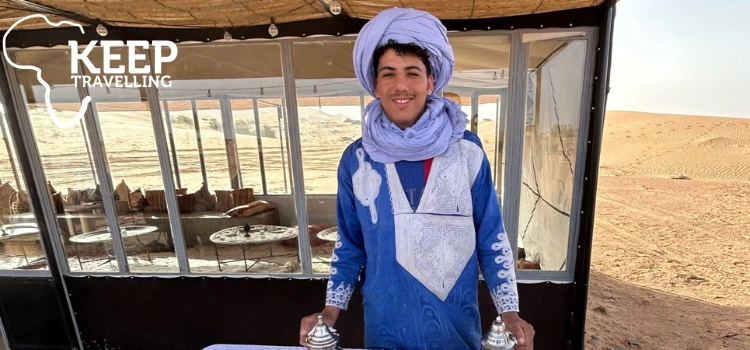
The Sahara is not only “sand and sand”, although the dunes are certainly part of it. The experience can include camel riding, desert camps, glamping tents and time to watch the sun change the colour of the dunes.
Siham also explained that camel rides can be shortened for travellers who do not want to ride for an hour and a half. A shorter fifteen-minute experience still gives guests the feeling without forcing them into something uncomfortable.
This is where good planning helps again. A local expert knows how to shape the experience around the traveller, instead of simply offering a fixed version. That is important in a place as powerful as the desert. It should feel memorable, not forced.
The High Atlas Mountains and the Amazigh Roots of Morocco
Siham’s second major recommendation was the High Atlas Mountains. This part of Morocco connects travellers with the country’s oldest inhabitants, the Amazigh people.
She made an important language point too. Many travellers know the word “Berber”, but Siham explained that the term can translate in an insulting way. Local people identify as Amazigh, and using that word shows greater respect.
The mountains offer a calmer, simpler and more traditional side of Morocco. Food here may not always be fancy, but it can be deeply flavourful. Villages feel rooted in history. Life moves at a different pace.
For guests on a luxury Morocco tour, the High Atlas Mountains add something grounding. They remind visitors that Morocco is not only cities, palaces and markets. It is also mountain communities, old paths, strong traditions and quiet hospitality.
Mount Toubkal and Adventure Travel
The High Atlas Mountains are also home to Mount Toubkal, the highest peak in North Africa. Siham explained that travellers can begin from Marrakech and drive around one and a half hours to Imlil village.
From there, the climb begins. Depending on fitness, the first day can involve a six- or seven-hour hike to base camp. The next morning may start very early, even around 3:00 AM, before continuing towards the summit. The peak reaches about 4,167 metres, and the view across the surrounding mountains is stunning.
Not every traveller wants that level of adventure. However, Morocco can still offer shorter hikes and gentler mountain walks. Siham’s own niche is culinary travel, yet she can also arrange hiking with suitable guides when guests want more active experiences.
Fez: Food, Craft, Music and Spirit
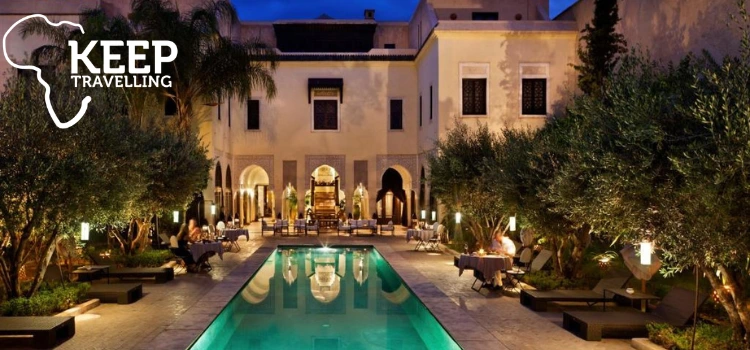
The third place Siham chose was Fez, her own birthplace. She described it as a 1,200-year-old city and a capital of food, craft, music and spiritual life.
Fez is one of the great cultural centres of Morocco. Its medina is famous for its maze-like alleys, and Siham mentioned the often-quoted figure of 9,900 alleys, although she joked that no one really knows who counts them. It could be more. It could be less.
What matters is the feeling of the place. Fez is not a city to wander without context if you want to understand its deeper meaning. A good guide can help decode the medina, from old schools and workshops to hidden corners many visitors miss.
Siham also mentioned that Fez is home to the oldest university in the world, built by a woman. She noted the oldest mental hospital too, which many travellers do not see.
Why Local Guidance Matters
A major part of the conversation focused on whether guests can travel independently in Morocco. Siham’s answer was honest. Yes, it is possible. However, many travellers miss a lot.
Morocco is not always easy to navigate like parts of Europe or Asia. Medinas can be confusing, Google Maps may not work well in narrow alleys, and visitors may feel nervous about going deeper. When that happens, they stay on the surface.
This is where Morocco Travel Organizer becomes valuable. Siham does not usually accompany guests herself unless it is a culinary journey. Instead, she works with trusted local guides who help travellers understand culture, movement and meaning.
A luxury Morocco tour should reduce stress, not add to it. With the right local support, guests can relax into the destination instead of worrying about where to turn next.
Morocco Through Food
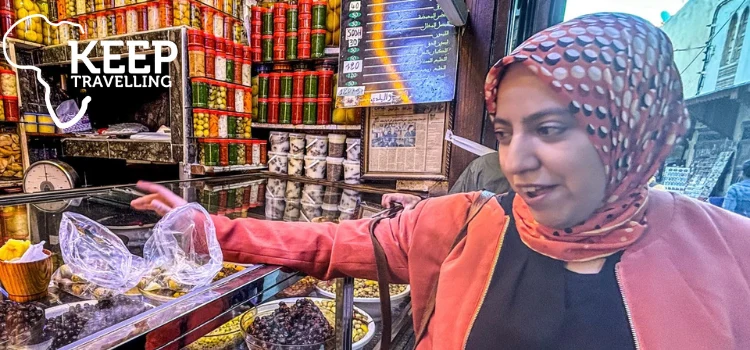
Food is one of Siham’s great passions, and it became one of the most enjoyable parts of the episode. Rael asked her to choose three dishes visitors should try, and she answered by linking each dish to the place where it truly belongs.
That point matters. Moroccan food is regional. A dish may be available in several cities, but it does not always carry the same meaning everywhere. Siham wants travellers to taste food where it resonates most deeply.
For anyone planning a private Morocco itinerary, this is a wonderful way to think. Food becomes more than a meal. It becomes part of place, memory and identity.
Tangia, Medfouna and Pastilla
In Marrakech, Siham recommends tangia. This dish is cooked in a round clay pot with meat, spices, preserved lemon and saffron. The preserved lemon may be aged for a year, turning brown rather than yellow. Traditionally, the pot is buried in hot ashes and cooked slowly for several hours.
In the Sahara Desert, she recommends medfouna. The name means “buried” in Arabic. It is a pie-like dish filled with meat and spices, once cooked under the sand. Today, it is often prepared in ovens, and travellers sometimes call it Moroccan pizza because of the way it looks and is cut.
In Fez, Siham chooses pastilla. This is a layered dish made with delicate phyllo pastry, chicken, caramelised onion, almonds, eggs, cinnamon and sugar. It is sweet, savoury, crisp and rich. Even better, it is the one dish Siham says she can proudly cook well.
Wildlife, Camels and Coastal Life
Morocco does not offer safari in the same way as East or Southern Africa. Siham was clear about that. Instead, the country should be seen through land, mountains, desert and beaches.
Animal experiences do exist, but they are different. Camel riding in the Sahara is one of the most iconic options. Horse riding is also popular, especially in the High Atlas Mountains and around Essaouira by the beach.
Morocco also has a long coastline along both the Mediterranean and Atlantic. While Siham did not go into specific marine species, she spoke about the richness of the sea and the quality of fish. Morocco sends good fish to Spain and other parts of Europe, and travellers often notice how fresh the local produce tastes.
For food lovers, that matters. Sardines, tuna, shrimp, fruit and vegetables can taste different when enjoyed close to where they come from.
What Women Should Know Before Travelling
Rael also asked Siham about clothing and comfort for women travelling in Morocco. Her answer was practical and balanced.
Morocco is open-minded. Some local women wear a headscarf, and others do not. Visitors do not need to cover their heads. However, Siham recommends dressing respectfully in cities and medinas, especially when walking through narrow alleys.
This is not about hiding completely. It is about avoiding unwanted attention and helping women feel comfortable. Beach areas are more relaxed, but city spaces call for more awareness.
This kind of advice is useful because it comes from someone local. It does not try to scare travellers, but it does help them move with confidence.

Safety and Common Sense
On safety, Siham compared Morocco to other parts of the world. As in Europe, pickpockets can exist in busy areas. Her advice is simple. Keep valuables in front of you, not behind you. Do not look obviously lost. If you need directions, step into a trustworthy shop and ask someone there.
She also gave a wider travel tip. If someone appears to be fainting, crying or in trouble, and you do not have the language to help, do not put yourself into a risky situation. Instead, call a local person to assist.
This advice may sound direct, but it is meant to protect travellers. It is the sort of practical guidance that can make a luxury Morocco tour feel smoother and safer.
Siham also said that locals will often stop to help if travellers are stuck on the road. If they cannot help directly, they may call someone who can.
Language and Communication
Morocco is changing when it comes to language. Arabic and French have long been important, but Siham said English is now becoming very widely spoken. In many places, communication is easier than visitors may expect.
That said, having local support still helps. Language is not only about words. It is also about context. A guide can explain customs, gestures, food, routes and situations that travellers may not understand on their own.
That is one of the quiet strengths of Morocco Travel Organizer. It helps visitors connect more fully, without feeling lost in translation.
Best Time to Visit Morocco
Siham recommends checking religious holidays first, as they follow the lunar calendar and move each year. Beyond that, she sees mid-February to May as a strong time to visit.
Another good period runs from mid-September to December. November can be especially interesting because it is often quieter. Some travellers have finished October trips, while others are waiting for December and New Year travel.
June, July and August can work for people who tolerate heat, but Siham warned that Morocco can be extremely hot during these months. For most travellers, spring and autumn will feel more comfortable.
Budgeting for a Five-Star Morocco Journey
Rael asked what travellers should budget for a five-star, fifteen-day experience. Siham explained that five-star means different things in Morocco. Some rooms may start around 200 euros per night. Others may be 500 euros, 700 euros or even more than 2,000 euros per night.
For a strong middle-level five-star experience, she suggested a figure around 9,500 euros for a fifteen-day journey when two people are travelling together. Of course, the final price depends on season, inclusions, accommodation level and experiences.
This is helpful because it gives travellers a realistic starting point. A proper luxury Morocco tour involves quality accommodation, private guidance, strong logistics, good food and carefully shaped experiences.
Final Thoughts
This conversation with Siham Lahmin shows why Morocco should not be rushed or simplified. It is not only Marrakech, nor is it only the Sahara. It is a layered country of ancient cities, mountain roots, desert silence, coastal flavour, local food and daily human warmth.
A well-planned private Morocco itinerary gives each part of the country enough space to speak. The Sahara brings wonder. The High Atlas Mountains bring roots and calm. Fez brings history, craft and spirit. Marrakech brings food, colour and energy. The coast brings freshness and ease.
Most of all, local knowledge changes the journey. With Morocco Travel Organizer, travellers are not just moved from one place to another. They are guided through meaning, context and experience.
For anyone dreaming of a luxury Morocco tour, Siham’s advice is clear. Take your time. Plan properly. Let the country unfold chapter by chapter. That is when Morocco becomes far more than a destination. It becomes a story you carry with you.
Should you want to contact me directly, please email: rael@keeptravelling.africa
A few years from now, you will not remember how much it cost you, but you will always remember the memories you made. Keep Travelling.