In the latest episode of ‘Keep Traveling: Your African Story‘, host Rael Zieve sat down with Jane Fox, the Head of Sales and Marketing for Foxes Safari Camps, to uncover the magic of exploring Southern Tanzania. While many travellers instinctively look north toward the Serengeti, there’s a quieter, more soulful world in the south — a place where vast landscapes, warm hospitality, and genuine wilderness experiences come together in a way that feels deeply personal.
This episode lifts the lid on the family behind Foxes Safari Camps, the seven lodges spread across wild corners of Tanzania, and the unique experiences that make a Southern Tanzania Safari stand apart. Whether it’s the raw beauty of Ruaha National Park Tanzania, or the winding waterways of a Nyerere National Park Safari, this story is one stitched together by nature, heritage, family, and a whole lot of heart.
It’s not a mass-market safari. It’s a journey into Africa the way it used to be — and for many travellers, the way it should be.
Discovering the Legacy of Foxes Safari Camps
Foxes Safari Camps didn’t begin as a tourism brand. They started as tea planters in Tanzania back in the 1950s. Tourism wasn’t even on the horizon — not in the south, at least. But by the early 1980s, the Fox family built their first lodge in the Selous (now Nyerere National Park), long before most people ever considered the south a safari destination.
By the 1990s, tourism in Tanzania began shifting, and the family expanded slowly and intentionally. Today, they operate seven camps across Southern and Western Tanzania, including properties in Ruaha, Nyerere, Mikumi, Katavi, and on a small island just off Dar es Salaam.
Each lodge is still family-run, and each carries the quiet charm of people who genuinely care about the land and the guests who visit. It’s rare in modern tourism to find a company that has kept its identity intact for more than four decades, but Foxes Safari Camps has done exactly that.
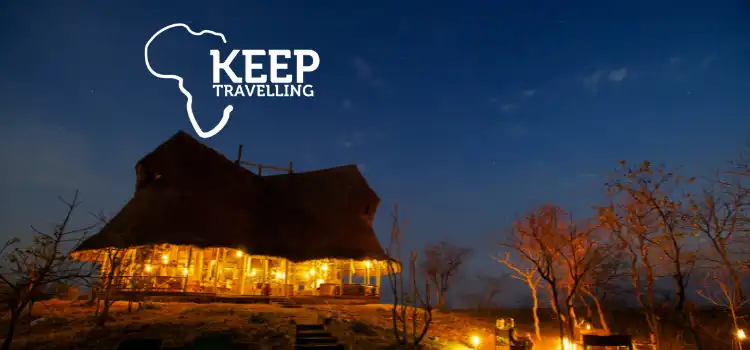
Understanding the Landscape: Six Regions, Seven Camps
The Fox family manages seven camps spread across six distinct regions, creating a natural circuit for travellers looking to explore more of Southern Tanzania without the masses.
Mikumi National Park is home to two of these camps, one in the north and one in the south, allowing guests to access different terrains and wildlife concentrations. The parks themselves are enormous. Nyerere National Park is the largest in Tanzania — literally the size of a small country — while Ruaha National Park Tanzania isn’t far behind, stretching across landscapes as varied as deserts, baobab forests, river valleys, and rolling hills.
Distances between parks are substantial. Driving from one to the next can take seven hours or more, depending on road conditions. That’s why the family created Safari Air Link, their own airline, offering scheduled flights between the parks. This transforms an exhausting drive into a scenic hop across the wilderness, allowing guests to see more without losing precious days in transit.
That’s one of the big advantages of choosing Foxes Safari Camps: seamless movement across the region. The entire journey feels effortless.
The Rhythm of a Southern Tanzania Safari
One theme that repeats throughout my conversation with Jane is the pace of safari. Many travellers race from lodge to lodge, staying only two nights in each location. It looks good on paper, but it often leaves them tired, rushed, and disconnected.
Jane recommends at least three nights per camp — and ideally longer. When you stay for more than two nights, something magical happens. You slow down. You watch the light change. You start recognising the behaviour of certain animals. You stop chasing sightings and begin absorbing the landscape.
Southern Tanzania rewards this slower rhythm. The wildlife is rich, but the parks are vast. It takes time to appreciate them fully. And in a world that moves too fast, the chance to breathe deeply is a gift.
What Makes Each Camp Unique
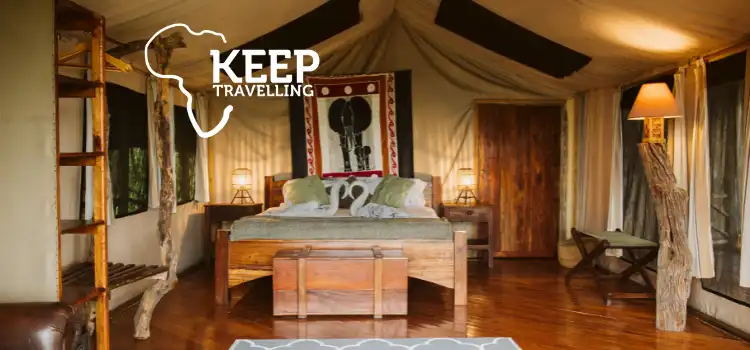
No two Foxes Safari Camps properties look the same. This is by design. Instead of replicating one lodge across multiple locations, they allow each environment to dictate its design, mood, and personality.
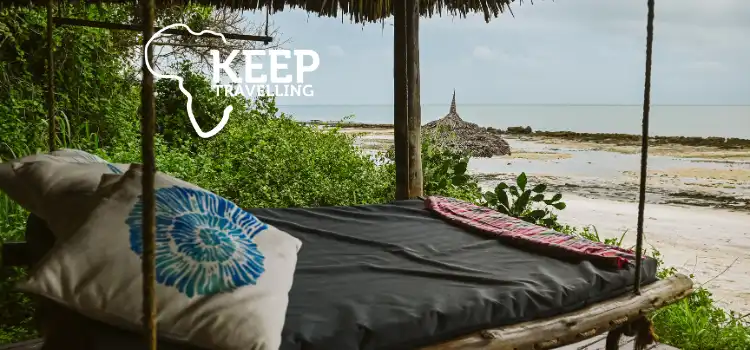
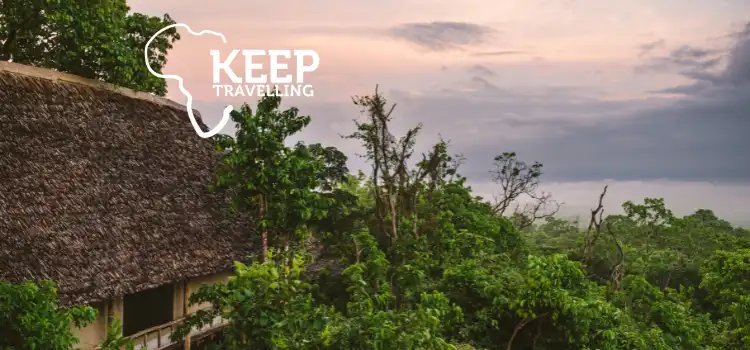
Some properties sit along riverbanks, where wildlife wanders through camp. Others are perched on open plains with endless views. A few are hidden in remote forests, where the air feels cool and still.
Managers at each camp have creative freedom, which means every guest has a slightly different experience depending on the lodge they choose. But all share one thing in common: a warm, homely atmosphere where guests feel genuinely cared for.
Activities Across the Camps
Game drives anchor the safari experience at all Foxes Safari Camps, but the range of activities varies by region.
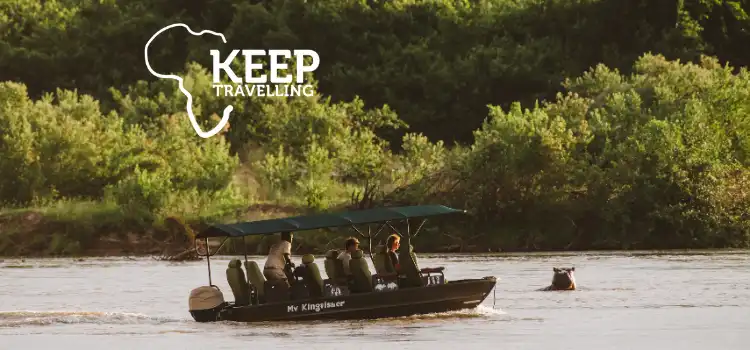
A Nyerere National Park Safari offers boat safaris on the Rufiji River — something unavailable in most other Tanzanian parks. Floating past hippos, crocs, and birdlife at eye level gives you a whole new perspective on the wild.
In Ruaha National Park Tanzania, balloon safaris offer breathtaking sunrise views across rocky outcrops and ancient baobabs. Walking safaris introduce you to the “Little Five” — the rhino beetle, ant lion, leopard tortoise, elephant shrew, and buffalo weaver. These small creatures remind us that safari is not only about lions and elephants but also about the intricate, fascinating details of the bush.
Guests can also enjoy bush breakfasts, sundowners, and cultural encounters, depending on the camp they’re visiting. For bird lovers, this region is paradise, with over 570 species recorded — from colourful sunbirds to powerful raptors.
Exploring the Wildlife of the South
Southern Tanzania is blessed with incredible biodiversity. While rhinos are sadly no longer present in these regions, the rest of the wildlife portfolio is staggering. Lions are abundant, especially in Ruaha, which has one of the largest lion populations in Africa. Hyenas — both spotted and striped — roam the plains. Kudu, impala, eland, roan, sable, and even rare antelope species call the region home.
For photographers, this is a dream destination: sweeping landscapes, dramatic colours, and wildlife that behaves naturally, without the pressure of dozens of vehicles watching its every move.
Jane jokingly admitted she couldn’t name all members of the Little Five without a refresher — but that’s part of the charm. Southern Tanzania encourages curiosity. There is always something new to learn.
Ruaha: Jane’s Favourite Corner of Tanzania
Every safari veteran has a favourite park, and for Jane Fox, that place is Ruaha. There’s something about Ruaha’s mix of landscapes — rocky escarpments, sand rivers, woodlands, and grass plains — that captures the imagination.
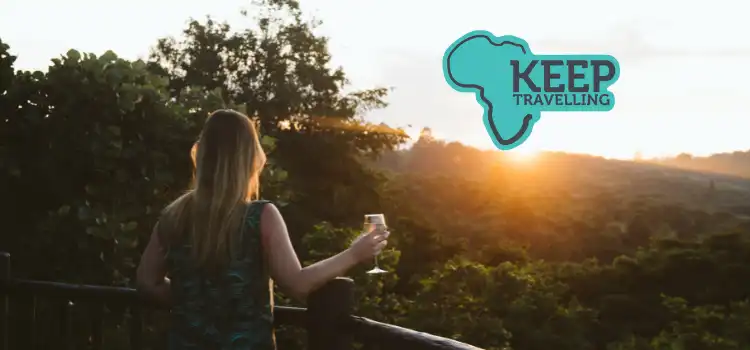
The lodge sits along the river, which dries into a series of pools during the long dry season. Animals gather here daily, creating a natural theatre of wildlife behaviour. Guests often skip afternoon game drives just to sit quietly and watch.
Jane described afternoons by the river with kingfishers darting past, fish eagles calling, baboons barking warnings, and elephants wandering in to drink. If you’re lucky, you might spot a leopard slipping along the riverbed or even a pack of hunting dogs passing through.
Ruaha isn’t a spectacle-based safari. It’s an emotional one, a place where you connect deeply with the land.
How Jane Found Herself in Tourism
Jane never planned on a career in tourism. She met her husband at university and moved to Tanzania in the 1990s, at a time when the south had virtually no tourism infrastructure. They were farming and managing Ruaha River Lodge before tourism in Tanzania truly opened up. Over time, as policies changed and tourism started flowing into the country, they expanded with more camps.
Like so many in this industry, her journey is a mix of passion, timing, and a deep love for the wilderness.
Tourism Trends and Challenges in Tanzania
While tourism in Tanzania continues to grow, selling Southern Tanzania remains more challenging than selling the Serengeti. The Serengeti is globally known — a “bucket list” destination — but this fame comes with drawbacks: overcrowding, rising fees, and increasingly regulated wildlife viewing.
In contrast, the south offers a purer experience. But many first-time travellers don’t know this.
The goal isn’t to compete with the Serengeti — it’s to educate travellers about alternatives. And according to Jane, this is where tour operators play a crucial role. Those who do their research, or who have already visited the north and want something quieter, often end up choosing the south.
And once they do, they rarely regret it.
What Guests Love Most About Their Stay
Feedback from guests almost always highlights the staff. Because the camps are small, the experience is intimate. You aren’t just another guest; you become part of a little community. Guests share stories around the fire, exchange sightings, laugh together, and create friendships that last beyond the trip.
Many staff members have been with the company since the beginning — entire families across generations work with Foxes Safari Camps. This makes the hospitality feel natural, heartfelt, and truly special.
Special occasions are always celebrated, whether it’s a birthday or anniversary. It’s these human touches that guests remember most.
The People Behind the Camps
When asked about standout team members, Jane mentioned Josephat, one of their long-serving guides, and his family — many of whom also work with the company. Their father, Julius, serves as the headman at the family farm. With more than a dozen children, it’s no surprise that many have found their place within the company.
This kind of generational loyalty is rare. It speaks volumes about the stability of the company and the pride people feel working there.
Looking Ahead: The Future of Southern Tanzania Safari Tourism
Tanzania’s government is eager to develop Southern Tanzania, but Jane believes investment should focus on promoting existing lodges rather than simply building more. Without sufficient visitors, adding more camps only dilutes the market.
Still, the region holds immense potential. It may never become as busy as the Serengeti — and that might be its greatest strength. As travellers continue seeking quieter, more meaningful experiences, Southern Tanzania Safari destinations will become more appealing.
Is Africa Safe for First-Time Travellers?
For travellers nervous about visiting Africa, Jane offers reassurance. The company has operated for over 40 years. If conditions were unsafe or poorly organised, they simply wouldn’t still be here.
Naturally, wildlife areas carry inherent risks, but guest safety is taken seriously. Clear briefings, professional guides, and common-sense practices ensure a safe and memorable experience.
From the moment guests land in Dar es Salaam, Foxes Safari Camps takes care of everything — transfers, flights, logistics, and warm hospitality. All guests need to do is enjoy the adventure.
Where to Learn More
Foxes Safari Camps maintains an active presence online, with fantastic videos and stories across their website, Instagram, Facebook, and YouTube. These short films offer beautiful glimpses into the landscapes and experiences awaiting guests across their seven properties.
Their commitment to sustainability has also earned them a global responsible tourism award — a testament to their efforts in farming, timber production, and reducing environmental impact across their operations.
Win an African Getaway
As mentioned at the end of the podcast episode, Keep Travelling runs weekly prize giveaways from some of Africa’s most beautiful lodges, camps, and travel partners. Listeners can enter through the Keep Travelling website for a chance to win an unforgettable experience.
Plan Your Southern Tanzania Safari
A journey with Foxes Safari Camps is more than a holiday — it’s a homecoming to nature. Whether drifting along the Rufiji River, watching elephants in Ruaha, walking with guides to discover the Little Five, or simply sitting quietly by a riverbed as wildlife wanders past, this is a safari that stays with you.
Southern Tanzania is wild, authentic, and deeply moving. And with the Fox family’s decades of experience shaping these camps, you’re in the best hands possible.
To plan your adventure or ask about personalised African itineraries, email rael@keeptravelling.africa.
A few years from now, you will not remember how much it cost you, but you will always remember the memories you made.
Keep Travelling.