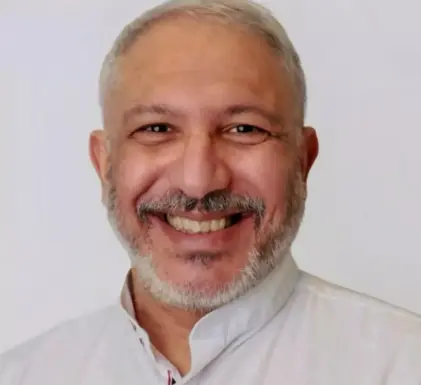
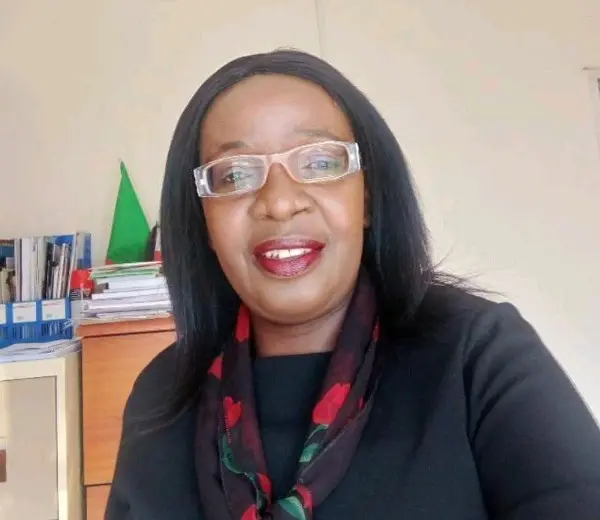
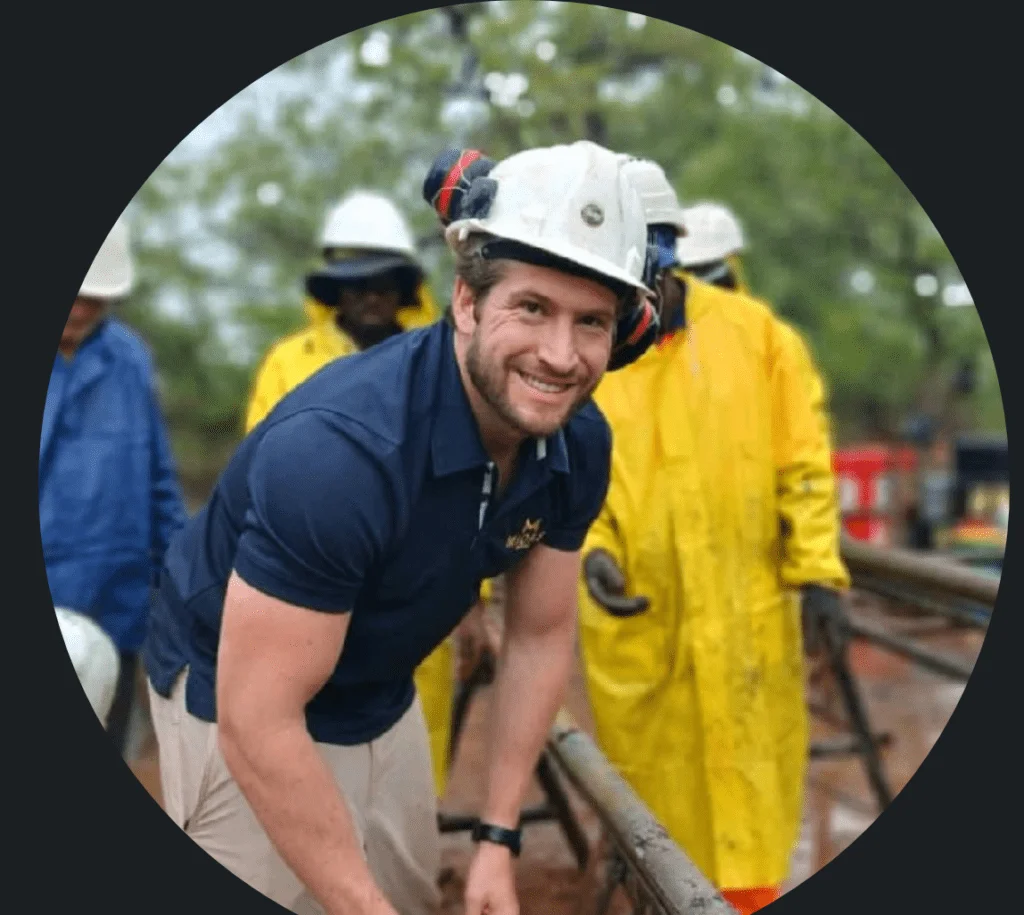
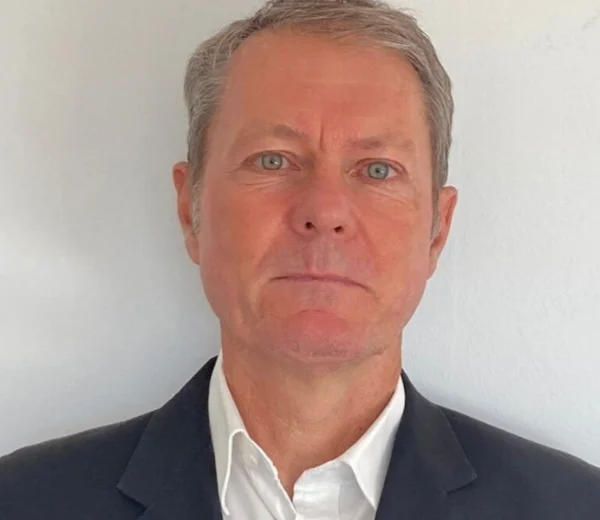
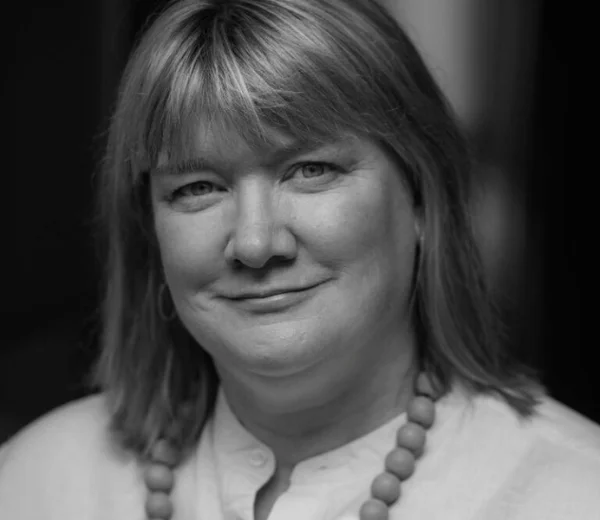
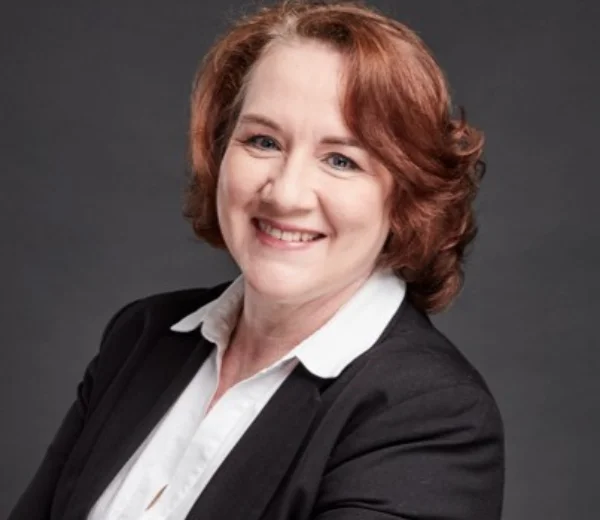
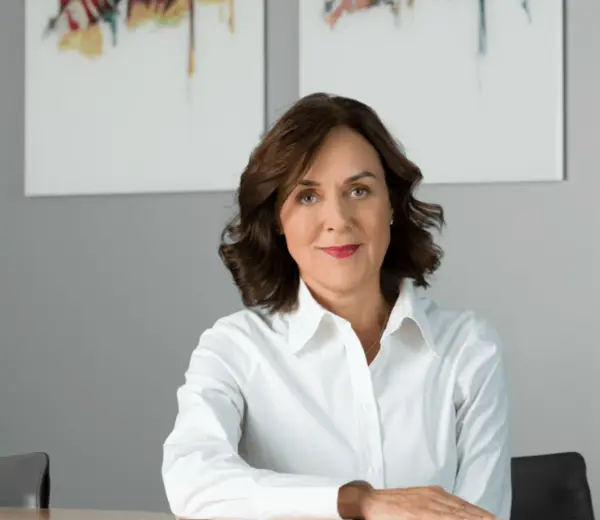
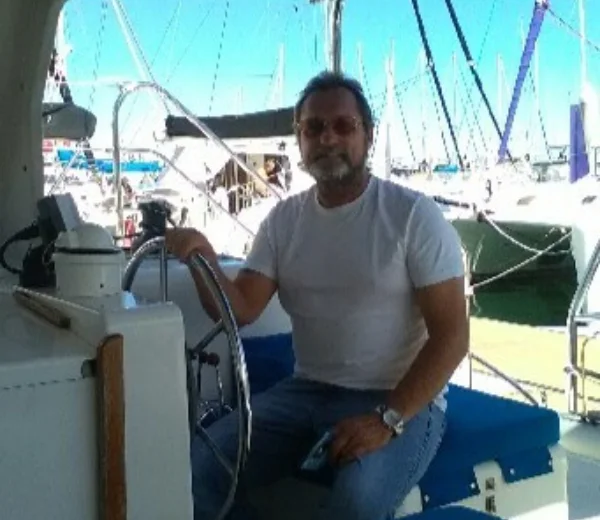
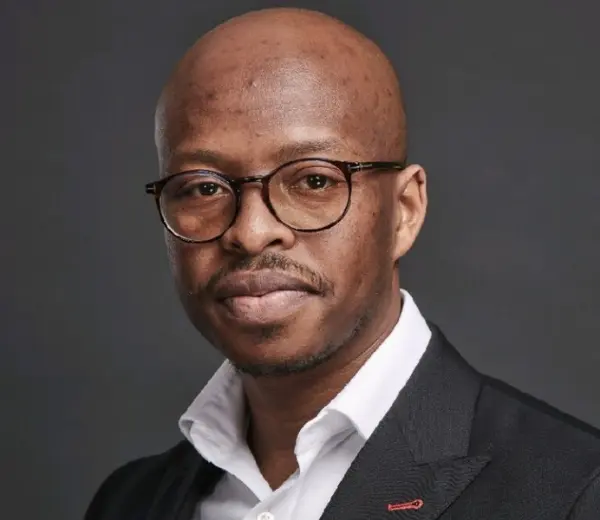
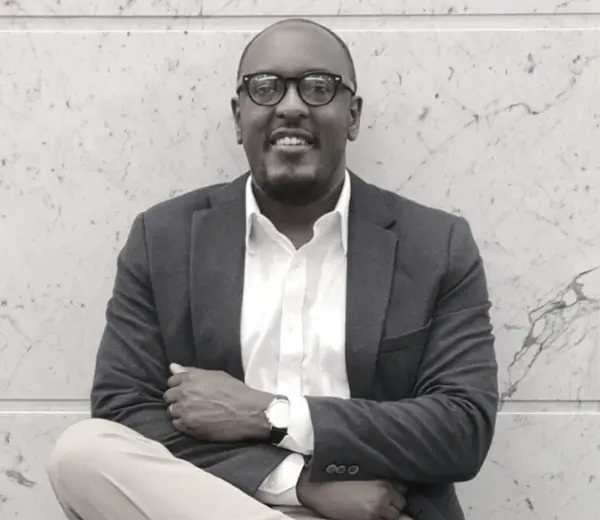
In the latest episode of ‘Keep Travelling: Your African Story’, host Rael Zieve sat down with Brian Raffio, Senior Account Manager at Climbing Kilimanjaro, to talk about what it really takes to stand on Africa’s highest summit. This was not a glossy adventure pitch. It was a practical, honest and surprisingly human conversation about training, altitude, food, routes, guides, porters, safety, summit night and the feeling of reaching the roof of Africa.
A Mountain That Changes People
Climbing Kilimanjaro sits on many travel wish lists for a reason. It is one of those African experiences that feels both possible and enormous at the same time. You do not need to be a professional mountaineer. You do not need ropes, ice axes or technical climbing skills. Yet, you still need courage, preparation and respect for the mountain.
Brian spoke about Kilimanjaro as more than a climb. For many travellers, it becomes a goal that shapes their training, mindset and confidence long before they arrive in Tanzania. People sign up, start hiking, get fitter and begin to believe they can do something bigger than they first imagined.
That is part of the power of a Mount Kilimanjaro climb. It does not only test your legs. It asks you to show up, keep moving and trust the team around you.
How Climbing Kilimanjaro Began
The story behind Climbing Kilimanjaro is a good one. Brian explained that the company’s founder began as a porter on the mountain in the early 2000s. After that, he became a guide. Over time, he started to believe he could create a better operation than many of the companies already working on Kilimanjaro.
So, he bought books, taught himself how to code and built the website that the company still uses today. The business was founded in 2005 and started with just one or two clients a year. Today, it helps around 1,000 clients a year attempt the mountain.
That growth says something. It also gives the company a strong grounding in the real life of the mountain. This is not a business that began in an office far away. It began with someone carrying loads, learning the routes and understanding the climb from the ground up.
Getting to Kilimanjaro
For most international travellers, the easiest route is to fly into Kilimanjaro International Airport in Tanzania. Brian explained that the airport is around an hour to an hour and fifteen minutes from the base area. That makes it the most convenient option for many guests.
Some travellers may fly into Nairobi in Kenya instead. In that case, Climbing Kilimanjaro can arrange a shuttle transfer across the border into Tanzania. From Nairobi, the drive takes around three to three and a half hours.
That flexibility is useful. However, the smoother the arrival, the better. When you are about to begin a serious climb, good logistics matter.
How Fit Do You Need to Be?
One of the first practical questions Rael asked was about fitness. Brian was clear. You do need to arrive in good shape, but this is not the biggest test of physical fitness in the world.
His advice is to start training around eight to twelve weeks before the climb. Some people begin six months or even a year ahead, but Brian feels that can sometimes lead to burnout. A focused training block of two to three months can work well for many travellers.
The best training is similar to the activity itself. That means long hikes, ideally around four to six miles or roughly twelve kilometres, while carrying a daypack of about ten to fifteen pounds. Hikers should also try to include elevation gain and descent, because that is what the mountain will ask from the body.
In simple terms, train by walking. Get used to time on your feet. Learn how your body feels with a pack. Build steady confidence.

Preparation and Mindset
Brian explained that there is no official fitness vetting process before the climb. However, he does advise travellers to make sure they are medically cleared for high altitude.
If someone arrives looking very unprepared, the team will have a conversation with them. Still, the goal is always to try and help people get up the mountain safely. As Brian said, the body can often do more than people think.
That does not mean travellers should take Kilimanjaro lightly. It simply means that many ordinary people can do it with proper training, sensible pacing and the right support.
A Kilimanjaro summit experience is not reserved only for elite athletes. It is for people who prepare properly and arrive with a strong mind.
What Does It Cost to Climb Kilimanjaro?
Brian gave a clear price range for the actual climb, excluding international flights. Climbing Kilimanjaro offers hikes from six to nine days. The six-day option is around 2,700 US dollars, while the nine-day option is around 3,400 US dollars.
That price includes round-trip airport pickup and drop-off, one hotel night before the climb and one night after the climb. It also includes park fees, guide pay, porter pay, sleeping tents, mess tents and food on the mountain.
The main extra costs are international flights and tips for guides and porters. That is important for travellers to budget properly. The headline price is not the only figure to think about, especially when tipping forms part of the mountain economy.

Six Days or Nine Days?
One of the most useful parts of the conversation was Brian’s explanation of route length. The difference between a six-day and nine-day Mount Kilimanjaro climb is not only the route. It is also the time your body has to adjust.
The shorter climb costs less and gets you up the mountain faster. However, the longer climbs give your body more time to acclimatise to altitude. That can make a big difference near the summit.
Brian said that travellers coming from sea level, especially those with little altitude experience, may be better suited to an eight- or nine-day option. People who have already spent time at high altitude, such as those who have been to Everest Base Camp, may be more comfortable with a shorter route.
For Kilimanjaro, cheaper and faster is not always better. More time can mean a stronger, safer and more enjoyable climb.
Do You Need Technical Climbing Skills?
This is one of the biggest misunderstandings about Kilimanjaro. Brian explained that there is no technical climbing involved. Most of the climb is walking on dirt paths. In some months, there may be snow on the upper third of the mountain, but climbers still move on foot.
Microspikes can be useful in certain conditions, but travellers do not need crampons, ropes, ice axes or abseiling experience.
That makes Climbing Kilimanjaro more accessible than many people expect. Still, “non-technical” does not mean “easy”. The challenge comes from long hiking days, tired legs, cold conditions and altitude.
The Best Time to Climb Kilimanjaro
Brian’s personal favourite time to climb is late September into October. During this period, the weather is still usually stable, and there are fewer crowds because many families have finished summer travel.
The dry season generally runs from June through October. After that, rain usually arrives in November and early December, when the company does not run trips. Climbs then pick up again from late December through March.
Brian has seen many types of weather on the mountain. On one climb in 2012, it rained every day, he suffered from altitude sickness and it snowed at the top. On another climb in early June, the weather was perfect, with sunshine throughout. That is Kilimanjaro. The mountain does not promise the same experience twice.
How Busy Is the Mountain?
Kilimanjaro is popular, and Brian was honest about that. He said there were around 30,000 successful summits last year. During the busy months of July and August, climbers will see many other groups on the trails.
Travelling later in September or October can reduce the crowds, although there is rarely a day when you see no other hikers at all.
Food and Drink on the Mountain
Food on Kilimanjaro sounds much better than many people might expect. The day begins around 6:30 in the morning, when the chefs bring coffee and tea to the tents. That is quite a way to wake up, especially when you are still tucked inside a warm sleeping bag.
Breakfast may include porridge with dried fruit and peanut butter, along with eggs, bacon and bagels. Drinking water is treated and available, and guests can mix in powdered drinks such as Tang or Gatorade.
Lunch is usually packed and light, with sandwiches and granola bars. By the time guests arrive at camp in the evening, the tents are already set up, and soup is waiting. Brian pointed out that soup is useful because it adds extra hydration.
Dinner can include fried chicken, curry with rice, meat, vegetables and even pizza. Brian said pizza night is his favourite, and he finds it impressive what the cooks can do with limited tools on the mountain.
Camp Life and Porters
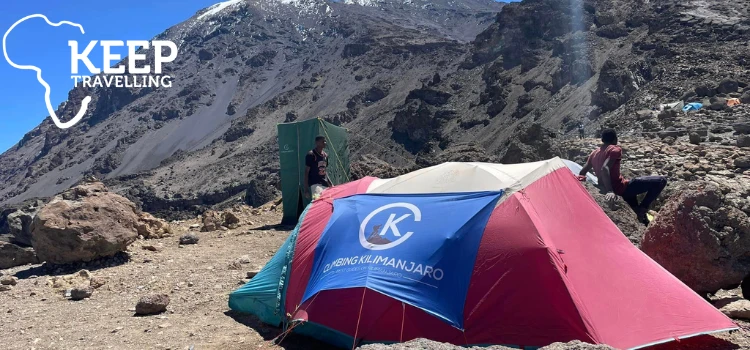
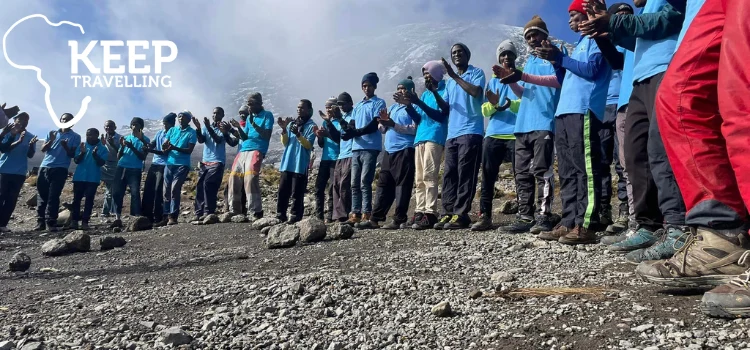
The camp setup is one of the unsung parts of the Kilimanjaro summit experience. Each morning, the porters wake early, break down camp and move ahead while guests are having breakfast.
Because they move much faster than the climbers, they reach the next camp first and set everything up before the group arrives. By the time guests walk in, the tents are ready and the camp feels organised.
That support makes a huge difference. It also shows why porters are so central to Kilimanjaro travel. They carry, prepare, organise and keep the whole rhythm of the climb moving.
Alcohol and Altitude
Rael asked about alcohol, and Brian gave the sensible answer. Some clients do like to bring wine, beer or whiskey, but drinking at altitude is not helpful. Altitude sickness is real, and alcohol can make it worse.
Still, before the summit, the best advice is simple. Drink water. Eat well. Rest as much as possible. Give your body every chance to perform.
Summit Night: The Big Push
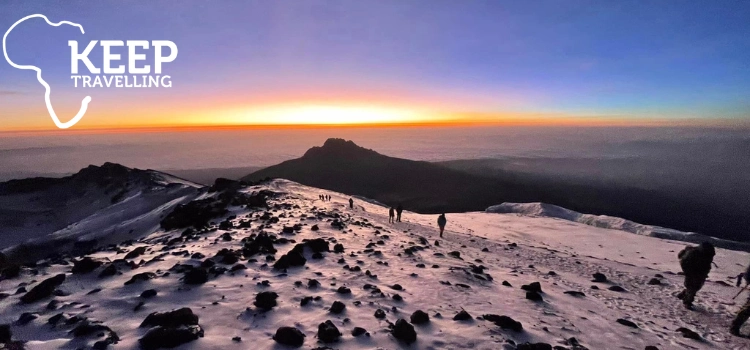
Summit night begins around midnight. Climbers wake up, turn on their headlamps and begin walking in the dark. Brian described how it can feel daunting because you may see the lights of other groups far above you.
The key is to take it one step at a time. The climb to the top usually takes around six to eight hours. As you get higher, the sun begins to rise. Suddenly, the world opens up. You may see Moshi, Mount Meru and clouds sitting below you.
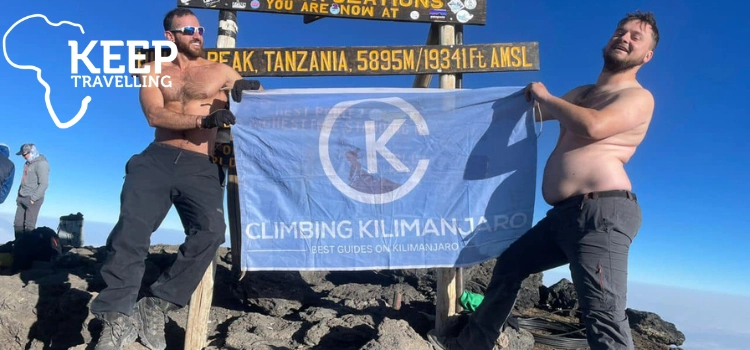
At around 19,000 feet, the feeling is hard to describe. Brian said that for many people, the first emotion is relief. The climb up has felt endless, and then finally it is done. The goal has been reached.
There is joy up there. There are photos, smiles and probably a few tears. But there may also be headaches, nausea and signs of altitude sickness. So the team does not let people stay too long. Photos matter, but getting down safely matters more.
Altitude Sickness and Safety
Altitude is the biggest risk on the mountain. Brian spoke about symptoms such as headaches, nausea and more serious conditions like high altitude pulmonary edema and high altitude cerebral edema.
Guides carry emergency oxygen to the summit. If someone needs oxygen while coming down, that usually means they may need to leave the mountain unless their condition improves clearly.
Brian said that about 75% of clients bring Diamox, a medication that can help with acclimatisation. However, travellers should always speak to their own doctor before using altitude medication.
The company’s guides are trained as wilderness first responders. That means they can identify what may be going wrong and act quickly. There is no full medical service on the mountain itself, so the main plan in a serious emergency is to get the person down.
Rescue Options on Kilimanjaro
There is helicopter rescue support on Kilimanjaro, although it is not included in the package price. Brian said the helicopter can land at the final camp below the summit, around 15,000 feet. The summit itself is around 19,000 feet.
The helicopter cost is around 3,500 US dollars and can fit three people. Brian recommends insurance that covers high altitude trekking, and he mentioned Global Rescue as a company that has worked well with clients in the past.
For injuries such as a rolled ankle, the park service has large wheeled stretchers. A team of porters can carry the injured climber down on the rough route. It may not be glamorous, but it works.
Flora, Fauna and Landscapes
Climbing Kilimanjaro is not only about the summit. The lower mountain begins in rainforest, with birds and monkeys adding a safari-like feeling at the start and end of the route.
As climbers go higher, the landscape changes into tundra and then high alpine terrain. Near the top, the environment becomes harsh, rocky and almost empty of life.
Toilets on the Mountain
Rael asked the question many travellers quietly wonder about. How do people go to the bathroom on Kilimanjaro?
Brian explained that years ago, climbers used long-drop pit toilets, which could feel unpleasant. These days, Climbing Kilimanjaro brings portable flushable toilets from camp to camp. They are kept away from the sleeping area, which helps keep camp more comfortable.
Why Kilimanjaro Is Worth It
For first-time adventure travellers, Brian sees Kilimanjaro as a powerful goal. It can motivate people to start training, get fitter and commit to something meaningful.
Climbing Kilimanjaro is not only about reaching the top. It is about the months of preparation, the people you meet, the porters who support you, the guides who keep you safe, and the quiet voice inside you that says, “Keep going.”
Final Thoughts
This conversation with Brian Raffio is a reminder that Kilimanjaro is both accessible and serious. You do not need technical climbing skills, but you do need preparation. You do not need to be an elite athlete, but you must respect altitude. You do not need to know every answer before you go, but you do need the right team around you.
A Mount Kilimanjaro climb can be one of Africa’s great adventure travel experiences. It has rainforest, monkeys, alpine landscapes, cold nights, warm tea, long trails, porters, guides, summit nerves and sunrise above the clouds.
For travellers looking for a challenge that feels bigger than a normal holiday, Kilimanjaro makes a strong case. Train well. Choose your route carefully. Give yourself enough time to acclimatise. Then take it one step at a time.
Because when the sun rises and you are standing above the clouds, the whole journey starts to make sense.
Should you want to contact me directly, please email: rael@keeptravelling.africa
A few years from now, you will not remember how much it cost you, but you will always remember the memories you made. Keep Travelling.