In the latest episode of ‘Keep Traveling: Your African Story‘, host Rael Zieve sat down with Darryl Erasmus, Chief Commercial Officer at Babanango Game Reserve, to explore one of South Africa’s most exciting emerging wildlife destinations. A Babanango Game Reserve safari introduces travellers to a quieter, more varied side of Zululand, where dramatic mountains, river valleys, Big Five wildlife and community-led conservation come together.
Babanango sits in the heart of KwaZulu-Natal, in an area traditionally associated with Zulu history, rolling hills and the warm waters of the Indian Ocean. However, Darryl explained that the reserve is helping visitors see this part of South Africa differently. Rather than following the familiar Cape Town and Kruger route, travellers can discover a vast, malaria-free wilderness that remains peaceful, uncrowded and deeply connected to the communities surrounding it.
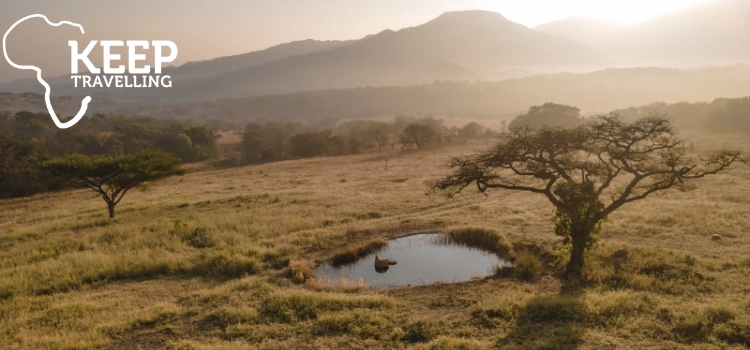
The reserve covers more than 20,000 hectares. Across that land, the scenery constantly changes. Guests move through open grasslands, mountainous ridges, valleys and sections of riverine bush along the White Umfolozi River. That variety forms an important part of the experience. A safari here is not simply about racing from one animal sighting to the next. Instead, the landscape becomes part of the story.

Where Is Babanango Game Reserve?
Babanango Game Reserve lies in Zululand, in the KwaZulu-Natal province of South Africa. For international travellers, Durban provides the easiest major entry point. After arriving at King Shaka International Airport, guests can reach the reserve by road in roughly two and a half to three hours.
The drive takes visitors north from Durban before turning inland towards the heart of Zululand. Travellers can also drive from Johannesburg, although the journey takes around six hours. For some visitors, this can work well as part of a longer South African road trip. However, flying into Durban usually makes the journey easier.
Accessibility remains an important part of Babanango’s future plans.
During the interview, Darryl shared details of the reserve’s new airstrip, which was moving through the Civil Aviation Authority approval process at the time of recording.
The runway measures approximately 1,400 metres long and just over 20 metres wide. Once approved, it should accommodate aircraft such as the Pilatus PC-12, King Air B200, Cessna Caravan and smaller private or charter aircraft. This development could make a Babanango Game Reserve safari far more accessible for guests arriving through Johannesburg or Durban. It may also appeal to travellers using private aviation or charter services as part of a wider luxury itinerary.
International visitors would still need to clear immigration and customs at an approved entry point before continuing to the reserve. Nevertheless, a direct charter connection could remove several hours of road travel.
A Vast and Uncrowded Zululand Safari
One of Babanango’s strongest features is its size. The reserve stretches across more than 20,000 hectares, making it one of the largest private game reserves in KwaZulu-Natal. It also includes around 20 kilometres of frontage along the White Umfolozi River.
In addition, there is an elevation difference of roughly 800 metres between the lowest and highest points. This creates a varied safari environment. Guests may begin a drive high on a ridge, pass through open grasslands and later descend into a river valley.
These changing landscapes also create wide views that feel very different from the flatter bushveld found in some other parts of South Africa. Babanango operates as a private reserve. Therefore, visitors cannot enter in their own vehicles or drive themselves around the property. Instead, trained guides take guests out in open safari vehicles. Only a limited number of vehicles operate across the reserve at any one time. Darryl explained that guests will often complete an entire game drive without seeing another safari vehicle.
That sense of space matters. At some well-known reserves, several vehicles may gather around the same sighting. While this can still produce wonderful wildlife encounters, it can also make the experience feel busy. At Babanango, the search often feels more personal and natural.
The animals are not waiting around every corner, and the guides may need to work harder to find them. However, this makes each sighting feel earned rather than expected.
Choosing Where to Stay at Babanango
A Babanango Game Reserve safari does not come with only one accommodation style. The reserve has developed a range of camps and lodges for different travellers, budgets and interests. Some options suit families, while others focus on couples, luxury travellers, educational groups or guests who want to explore on foot. This variety also means that two visits to the same reserve could feel completely different.
Babanango Outdoor Education
Babanango Outdoor Education serves schools, universities and organised learning groups. The camp includes 24 tents, which can accommodate different group sizes. Programmes can follow an agreed educational curriculum, allowing learners and students to connect with conservation, ecology and the natural environment.
The concept offers a modern version of the traditional outdoor field school. However, it does more than give young people a night under canvas. It introduces them to the practical realities of wildlife conservation and responsible land management. For schools and universities, this creates an opportunity to take learning beyond a classroom.
Matatane Camp
Matatane Camp offers seven self-catering chalets in a scenic section of the reserve. The camp works especially well for local or regional travellers who prefer a more independent stay. Guests can prepare their own meals while still arranging guided safari activities.
The swimming pool overlooks a valley leading towards the White Umfolozi River. Darryl described it as one of his favourite places on the reserve because of the view. Guests can also enjoy activities such as zip-lining and crossing a suspension bridge over the river. Although Matatane operates as a self-catering property, visitors can still access limited shops and catering facilities in the area.
Because private vehicles cannot travel across the reserve, guests can book a safari vehicle and guide when they want to explore the wildlife areas.
Babanango Valley Lodge
Babanango Valley Lodge offers a more traditional luxury safari experience and suits families particularly well. It is the only one of the reserve’s main luxury lodges located within a fenced area. As a result, families can move around the lodge with greater peace of mind.
The lodge has nine rooms, along with a private three-bedroom house available for exclusive use. Connecting rooms make the property practical for parents travelling with children. It also works well for larger family groups.
Multi-generational travel continues to grow, with grandparents, parents and children often travelling together. Valley Lodge has been designed to support that kind of journey. Guests normally stay on a full-board basis, with meals and two daily game drives included. The lodge also has a small conference or lapa area. Therefore, businesses can use it for executive retreats, strategy sessions or private group gatherings.

Zulu Rock Lodge
Zulu Rock Lodge has seven individual rooms positioned high on a ridge. Unlike the connected family accommodation at Valley Lodge, the units at Zulu Rock stand separately. This makes the lodge particularly attractive to couples and guests seeking privacy. Its elevated position provides some of the finest views on the reserve. Guests can sit around the fire, enjoy breakfast on the terrace and look across the valleys of Zululand.
Early mornings can feel especially memorable. Clouds sometimes settle in the valley below, leaving Zulu Rock sitting above a soft blanket of mist. The reserve was also developing a new spa, wellness area and gym at the time of the interview. Together, the scenery and smaller number of rooms give Zulu Rock the atmosphere of a peaceful retreat.
Madwaleni River Lodge
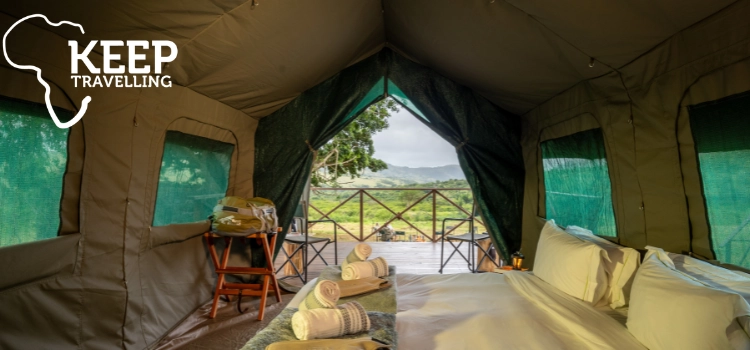
Madwaleni River Lodge represents Babanango’s ultra-luxury offering. The lodge has 12 luxury tented suites beside the White Umfolozi River. Although they are called tents, the accommodation offers the comfort and finish expected from a high-end safari property. The central guest area includes a lounge, library, dining spaces, an infinity pool and a fully equipped gym. Guests can relax with the sound of the river flowing past the camp.
Darryl compared it to sleeping near the ocean. Instead of waves moving towards the shore, visitors hear the constant movement of water along the river. For many travellers, that natural sound becomes one of the most soothing parts of the stay.
Madwaleni can also host small executive groups. The library can be arranged for meetings, conferences or video calls, allowing companies to hold a retreat far beyond a normal boardroom. Children under eight cannot stay at Madwaleni because the lodge is unfenced and positioned within a wild area.
Therefore, it suits adults, couples and families with older children who want a more exclusive luxury safari in KwaZulu-Natal.
Walking Safaris at Oggumeni Trails Camp
Game drives remain central to most safaris. However, more travellers now want to experience the wilderness on foot. Babanango has responded with Oggumeni Trails Camp, a small four-tent camp that acts as a base for walking safaris. Walking changes the pace of a safari.
From a vehicle, guests often focus on larger animals. On foot, attention shifts towards tracks, insects, plants, birds, trees and the quieter signs of the ecosystem. A guide may point out a footprint in the dust, explain how animals use certain plants or stop to listen to a distant alarm call. These details can easily pass unnoticed from the back of a safari vehicle.
Safety remains essential. Babanango uses qualified trails guides and follows strict procedures for walking in areas containing potentially dangerous wildlife. For active travellers, the experience combines exercise, education and the excitement of moving through a Big Five reserve on foot. It also gives guests the chance to sleep in a more remote part of the wilderness.
Food Inspired by South Africa and Zululand
Food plays an important role at Babanango’s fully catered lodges. Valley Lodge, Zulu Rock and Madwaleni River Lodge provide breakfast, lunch and dinner as part of the guest experience. The culinary teams draw inspiration from traditional South African flavours while also reflecting the character of Zululand.
Where possible, the lodges source produce from nearby communities and suppliers. This approach helps create a stronger connection between the meal and the destination. Guests are not simply eating familiar international dishes in a beautiful setting. They are tasting something connected to the region around them. Meals do not always take place inside the lodge restaurant.
Because Babanango has such a large private wilderness, the teams can create surprise dining moments elsewhere on the reserve. Breakfast may appear in the bush after a morning game drive. Lunch could take place at a scenic viewpoint, while dinner may be served around a fire in a boma. These moments turn a normal meal into part of the safari.
Zulu Rock and Madwaleni also have wine cellars featuring carefully selected South African wines. The country has a respected wine industry, and the lodges use their lists to introduce guests to some of its strongest estates and producers.
Wildlife on a Babanango Game Reserve Safari
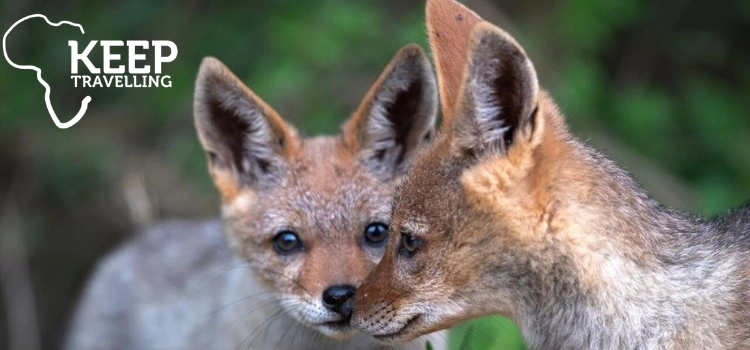
Babanango is a Big Five reserve. Guests may see elephant, buffalo, black rhino, white rhino, lion and leopard during their stay. However, sightings can never be guaranteed. Leopards remain particularly elusive. The conservation team uses camera traps across the reserve, which regularly record their movements. In addition to the Big Five, Babanango supports growing populations of zebra, impala, nyala, blesbok and other plains animals.
The reserve has spent years restoring land that previously served different purposes. This work includes rebuilding habitats, removing barriers and gradually returning wildlife to areas where it once occurred naturally. Foot-and-mouth disease restrictions slowed the introduction of additional animals for a period. Once authorities lifted those restrictions, the reserve moved quickly.
Darryl explained that more than 500 mammals had recently been introduced at the time of the interview. However, the team does not simply add animals to increase sightings. Ecologists assess what the reserve can support. Their decisions take water, vegetation, breeding rates, predator numbers and long-term habitat health into account. As a result, rewilding remains a careful and ongoing process. Birdlife has also returned as the habitats recover.
Although Darryl could not recall the exact species count during the conversation, he noted that the number continues to grow. For birdwatchers, the different elevations, river systems and vegetation types can make this Zululand safari particularly rewarding.
Community Ownership and Local Employment
The Babanango story reaches far beyond wildlife. Approximately 70 to 75 percent of the reserve’s land belongs to community trusts. The reserve leases this land, creating a financial relationship between tourism, conservation and the surrounding communities. This model gives local landowners a direct stake in the project.
The reserve also employs around 250 people, although the number can change as operations develop. Most employees come from nearby communities. They work across hospitality, guiding, conservation, maintenance, administration and reserve management. Training and skills development help these employees build careers rather than simply fill short-term jobs. That community connection gives a Babanango Game Reserve safari a deeper meaning.
Visitors enjoy beautiful lodges and wildlife experiences, but their stay also contributes to local employment and long-term rural development. Tourism succeeds most powerfully when nearby communities can see and feel its benefits. Without that relationship, conservation projects may struggle to build lasting support. Babanango aims to show that wildlife, hospitality and community development can strengthen one another.
Why Travellers Should Consider Zululand
Many first-time visitors to South Africa follow a familiar itinerary. They spend time in Cape Town and then travel to the Kruger region for safari. There is nothing wrong with that journey. Both areas deserve their international reputation.
However, returning visitors often want something different. They want fewer vehicles, new landscapes and a stronger sense of discovery. That is where Babanango fits.
KwaZulu-Natal is usually associated with beaches, warm weather and coastal holidays. Yet the province also offers powerful wildlife, cultural and historical experiences. A Babanango Game Reserve safari allows travellers to combine bush and beach within the same region.
Guests could spend several nights exploring the reserve before continuing towards the KwaZulu-Natal coast. They could also add historic Zululand, the Battlefields, the Drakensberg or other regional destinations. This creates a more varied itinerary and spreads tourism beyond South Africa’s most heavily visited areas.

Should Guests Stay at More Than One Lodge?
Guests can combine different Babanango lodges during one visit. The lodges sit far apart, and transfers can take between 45 minutes and more than an hour. As a result, moving between them reveals very different parts of the reserve. A guest might begin at Zulu Rock with its high ridge views and then continue to Madwaleni beside the river.
The scenery, atmosphere and style of accommodation would change completely. However, most guests choose one lodge based on their budget, travel group and preferred experience. Families may find Valley Lodge more suitable, while couples may prefer Zulu Rock. Madwaleni appeals to travellers seeking ultra-luxury, and Oggumeni Trails Camp suits those who want to explore on foot.
Therefore, combining lodges can add variety, but it is not essential. The best choice depends on what the traveller wants from the safari.
A Different Kind of South African Safari
Babanango does not try to copy the better-known safari regions of South Africa. Its strength comes from its own identity. It offers mountains, river valleys, community-owned land, a growing wildlife population and a wide choice of places to stay. The reserve is still developing, which adds to its sense of possibility.
The new airstrip could improve access. Wildlife populations continue to grow. New walking experiences and wellness facilities are expanding what guests can do. Most importantly, the project links tourism to a larger conservation and community vision.
For travellers who have already visited South Africa’s classic safari regions, Babanango offers a strong reason to return. For first-time visitors, it provides an opportunity to build a less predictable itinerary from the beginning.
Either way, a Babanango Game Reserve safari shows that some of South Africa’s most exciting travel stories are still being written. A few years from now, you will not remember how much it cost you, but you will always remember the memories you made. Keep Travelling.